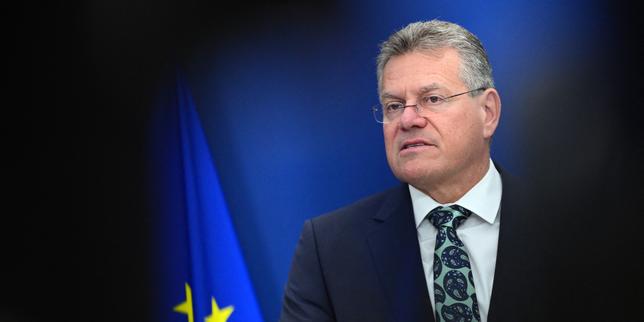
European trade commissioner Maroš Šefčovič touches down in Beijing this week for a make-or-break diplomatic sprint. The stakes couldn't be higher. Brussels faces an eye-watering trade deficit with China that hovered around €360 billion, and European industrial heavyweights are feeling the squeeze of a massive wave of high-tech and manufacturing imports.
If you think this is just another routine diplomatic exchange over tea and tariff schedules, you're missing the bigger picture. China's industrial machine is running at full tilt, propped up by state backing to compensate for sluggish domestic demand. Meanwhile, factories across Germany and France are watching their profit margins evaporate. Šefčovič isn't just carrying a list of grievances. He's carrying an ultimatum.
The China 2.0 Shock Is Different This Time
Remember the early 2000s? Back then, cheap apparel and basic consumer goods flooded Western markets. It hit low-tech manufacturing hard, but advanced industries barely blinked.
This current wave is entirely different. We are staring down a China 2.0 shock that targets the crown jewels of European engineering. Electric vehicles, green tech, high-end machinery, and chemical intermediates are pouring into European ports at prices domestic producers simply cannot match.
Beijing has plenty of reasons to hold its ground. Domestic consumption in China remains soft, leaving exports as the primary engine for economic growth. Chinese officials have already signaled fierce opposition to strict import quotas or voluntary export limits. When you combine structural overcapacity with a government determined to maintain employment targets, compromise becomes exceptionally difficult.
What Brussels Wants Versus What Beijing Will Offer
The shopping list from the European Commission is clear, but getting Beijing to sign off on it is a long shot. Brussels wants concrete movement on critical supply chains, a transparent framework for rare earth mineral export licensing, and an end to aggressive dumping practices that target European pork, dairy, and cognac.
China has responded with its own playbook, launching targeted anti-dumping investigations into European chemical imports and agricultural goods. It's a calculated tit-for-tat strategy designed to show Brussels that protectionism cuts both ways.
Capitals like Paris and Berlin aren't holding their breath for a diplomatic miracle. Behind closed doors, diplomats are already preparing for the fallout. They know two days of talks in Beijing won't magically erase a multi-billion-euro imbalance.
The Real Test Is Political Will
For years, European policymakers talked a big game about economic security and reducing strategic dependencies. Trade defense instruments exist on paper, but using them requires spine.
Brussels is expected to table new defensive legislative proposals at the European Council summit in December. These tools will give the bloc more teeth to block subsidized dumping before it hollows out entire industrial sectors. But tools only matter if leaders actually use them.
Internal divisions within the EU complicate matters. Some member states rely heavily on Chinese market access for their automotive and luxury sectors, making them squeamish about a full-blown trade conflict. Others want immediate, punitive tariffs across the board.
Šefčovič has a narrow window in Beijing to extract concessions and test whether a negotiated truce is even possible. If these talks fail, Europe's trade policy will shift rapidly from diplomacy to direct economic defense. Watch what happens when the delegation boards the plane back to Brussels. That's when the real trade war begins.