The playground rules of international trade no longer apply. If you ask Kuala Lumpur whether it can stay safely above the fray of the expanding technology standoff between Washington and Beijing, the official line remains cheerful and balanced. But on the ground in Penang and across the national electronics manufacturing hubs, the reality is far more complicated.
Malaysia has spent decades positioning itself as an indispensable middleman. Billions of dollars in foreign investments flow into its semiconductor back-end assembly, testing, and packaging facilities. Yet, as Washington tightens export controls on advanced chips and artificial intelligence hardware, and as Beijing counters with its own strategic pressures, maintaining a strict non-aligned stance has turned into an expensive tightrope walk.
The Illusion of Macro-Level Neutrality
On paper, Malaysia looks like a masterclass in diplomatic hedging. Prime Minister Anwar Ibrahim's administration welcomes American chip giants like Intel and GlobalFoundries while keeping doors wide open for Chinese tech investments and trade partnerships. Total goods exports hover near record highs, and the country continues to pitch itself as a safe, neutral harbour for global supply chains seeking shelter from geopolitical storms.
Macro-level neutrality is easy to perform in press releases. Trade statistics can be massaged to show equal distance between superpowers.
However, sector-level structural alignment tells a completely different story. In high-value semiconductors and integrated circuits, Malaysia's technical dependence leans heavily toward Western design standards, intellectual property, and equipment. Conversely, critical minerals and upcoming rare earth element processing initiatives carry deep technical and supply links that point toward Chinese capabilities. When specific industries are deeply bound to the infrastructure of one superpower, the entire economy loses its room to maneuver.
Why the Semiconductor Sector Exposes the Trap
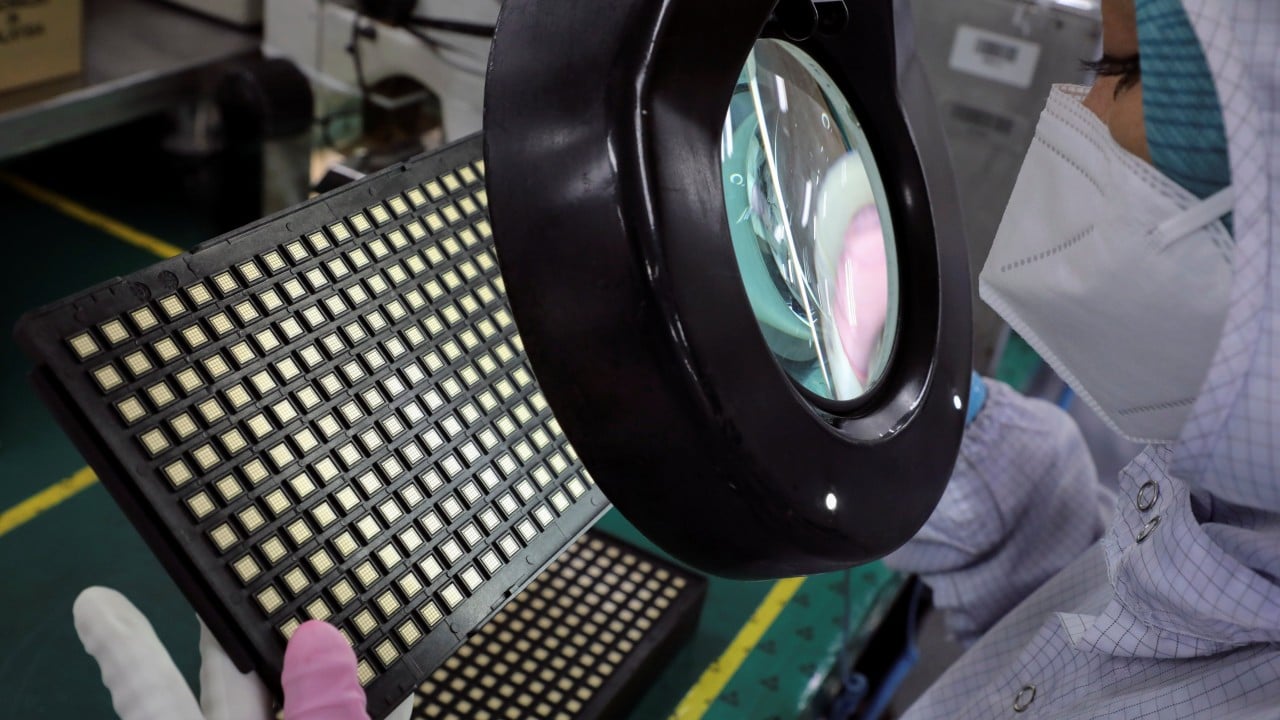
Malaysia handles a massive slice of the world's back-end chip packaging and testing. This technical positioning has made it a surprise winner of the supply chain shifts triggered by the trade wars. Billions have poured into local facilities, and thousands of skilled engineers draw higher-than-average manufacturing salaries.
Success comes with a heavy price tag. U.S. regulatory agencies and export watchdogs monitor shipments closely to ensure restricted artificial intelligence chips and sensitive semiconductor tools don't leak through backdoor channels. When rumors circulate regarding transshipments or compliance loopholes, Kuala Lumpur faces immediate diplomatic pressure to tighten domestic audits.
You can't claim total independence when your primary export depends entirely on access to Western software, machinery, and market compliance certifications. If Washington decides a local facility is skirting rules, the economic fallout hits home instantly.
The Rare Earth Dilemma
The balancing act gets even trickier outside of traditional silicon. Malaysia sits on rich deposits of rare earth elements, which are vital for electric vehicle motors, wind turbines, and defense electronics.
The government has signed cooperation frameworks with Western partners to develop midstream processing capabilities. At the same time, maintaining open channels with Chinese processing technology remains tempting because of unmatched technical expertise in extraction and refining.
If local rare earth development relies entirely on Chinese technical know-how, Malaysia risks recreating the exact same structural vulnerability it faces in electronics. You end up neutral in name, but structurally cornered in practice.
What Actually Works for Middle Powers
Avoiding the superpowers entirely isn't an option. Survival in this fractured economic order requires ditching passive neutrality in favor of active, tactical diversification.
- Build domestic intellectual property instead of remaining a permanent subcontractor for foreign firms.
- Diversify regulatory compliance frameworks to withstand sudden shifts in trade restrictions from either Washington or Beijing.
- Deepen regional integration through ASEAN blocks to create collective bargaining weight against unilateral economic coercion.
The middle path is shrinking fast. Malaysia's long-term economic security won't be saved by avoiding hard choices, but by building domestic industrial depth that makes both superpowers too reliant to walk away.