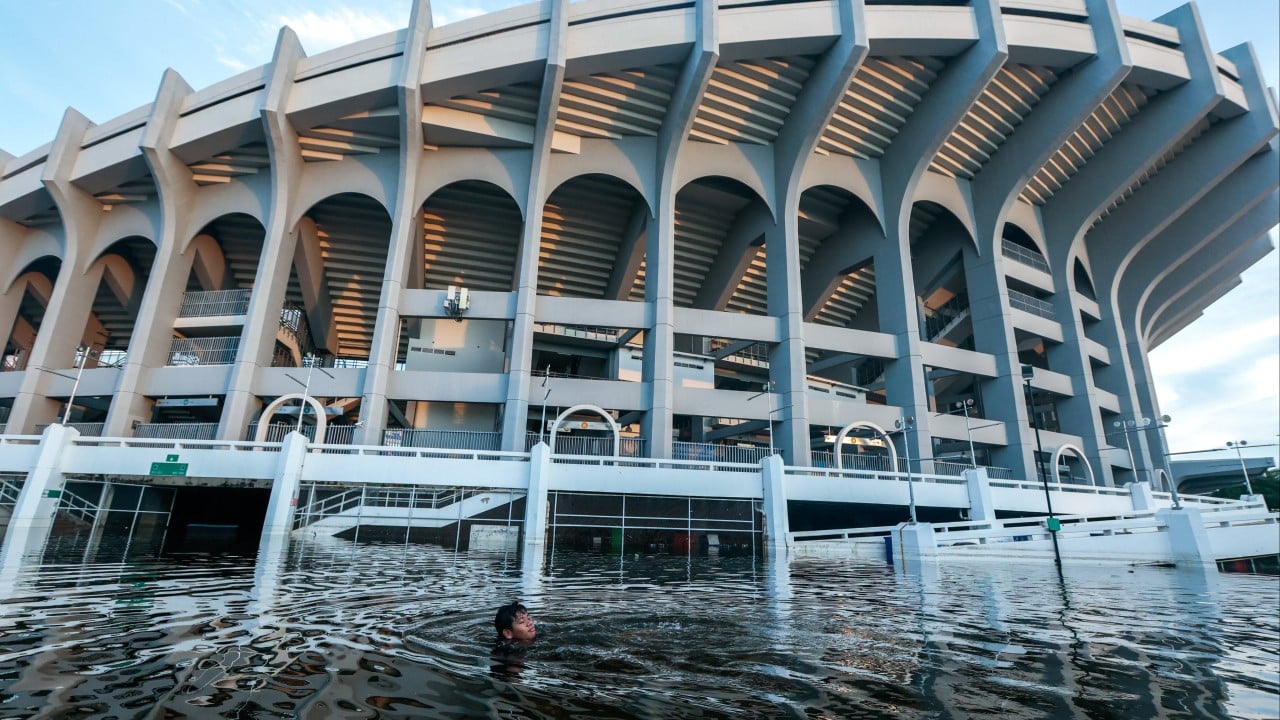
Heavy rains and rising rivers don't care about diplomatic schedules or high-stakes economic calendars. Bangkok is currently scrambling to protect its diplomatic and business districts as severe weather threatens to disrupt the upcoming International Monetary Fund and World Bank Group Annual Meetings. When more than 15,000 delegates from 191 countries descend on the Thai capital for the October 12–18 summit, they'll be stepping into a city on high alert. Prime Minister Anutin Charnvirakul has ordered state agencies to execute multi-stage contingency plans, desperate to avoid the chaotic street-level flooding that left parts of the city paralyzed just weeks ago.
If you've followed urban planning or monsoon management in Southeast Asia, you know that Bangkok's infrastructure sits on a razor's edge. The city's drainage systems are heavily strained, and recent deluges have dumped over 30 centimeters of rain in short bursts, overwhelming reservoirs and leaving residents frustrated. Now, the stakes are astronomical. The government isn't just worried about wet shoes; they're fighting to protect Thailand's reputation as a reliable international business hub and secure economic confidence on the global stage.
Inside the Multi-Stage Flood Contingency Plans
Authorities aren't leaving anything to chance. The Thai government has laid out a strict, four-tier operational protocol designed to keep delegates moving even if the weather turns hostile. Hundreds of water pumps have been deployed along major arteries near the Queen Sirikit National Convention Center and surrounding conference zones.
The response scales up dynamically depending on water depth:
- Stage One (15.2 cm / 6 inches): Drainage operations intensify immediately to keep main passages clear for the fleet of over 400 official motorcade vehicles.
- Stage Two (25.4 cm / 10 inches): Electric BMW fleets are pulled off the road and swapped for heavy buses to handle standing water safely.
- Stage Three (51 cm / 20 inches): Delegates get redirected entirely to Bangkok's elevated rail networks and alternative transit routes.
- Stage Four (Extreme Scenario): In an absolute worst-case scenario where floodwaters reach three meters, provisions exist for conference cancellation, though officials insist current protections make this highly unlikely.
Large trucks and four-wheel-drive vehicles are also on standby to transport participants if surface streets turn into canals over the weekend. Central Bangkok's drainage infrastructure relies heavily on discharging runoff rapidly into the Chao Phraya River, which currently maintains a one-metre safety margin below the primary flood walls.
The Economic Reality Behind the Panic
Why is the Thai government throwing so much operational muscle at this weather threat? Because the IMF-World Bank meetings represent a massive economic opportunity. Tourism receipts, foreign direct investment, and international trade confidence are all tied to how smoothly this event runs. Prime Minister Anutin made it crystal clear to state agencies: there can be no repeat of the transport chaos that trapped local residents in chest-high water in late September.
At the same time, local frustration is bubbling up. Critics point out the stark contrast between emergency protections rolled out for foreign dignitaries and the sluggish aid received by everyday residents in suburban districts during recent storms. Property damage from recent weather events has already cost the economy roughly 0.03 to 0.1 percent of GDP, forcing the Bank of Thailand to distribute emergency loans and working capital to hard-hit small and medium enterprises.
What This Means for Travelers and Observers
If you're heading to Bangkok this month, expect heavy security, tight traffic management around the central business district, and sudden route changes if downpours hit. Officials are coordinating closely with Airports of Thailand to ensure immigration and airport services run without a hitch, minimizing delays for international arrivals.
Water management in sinking urban centers like Bangkok requires constant vigilance, not just temporary fixes for high-profile summits. Keep an eye on local transport updates if you're navigating the city this week, and don't rely on standard GPS routing if heavy afternoon rains trigger localized street flooding.