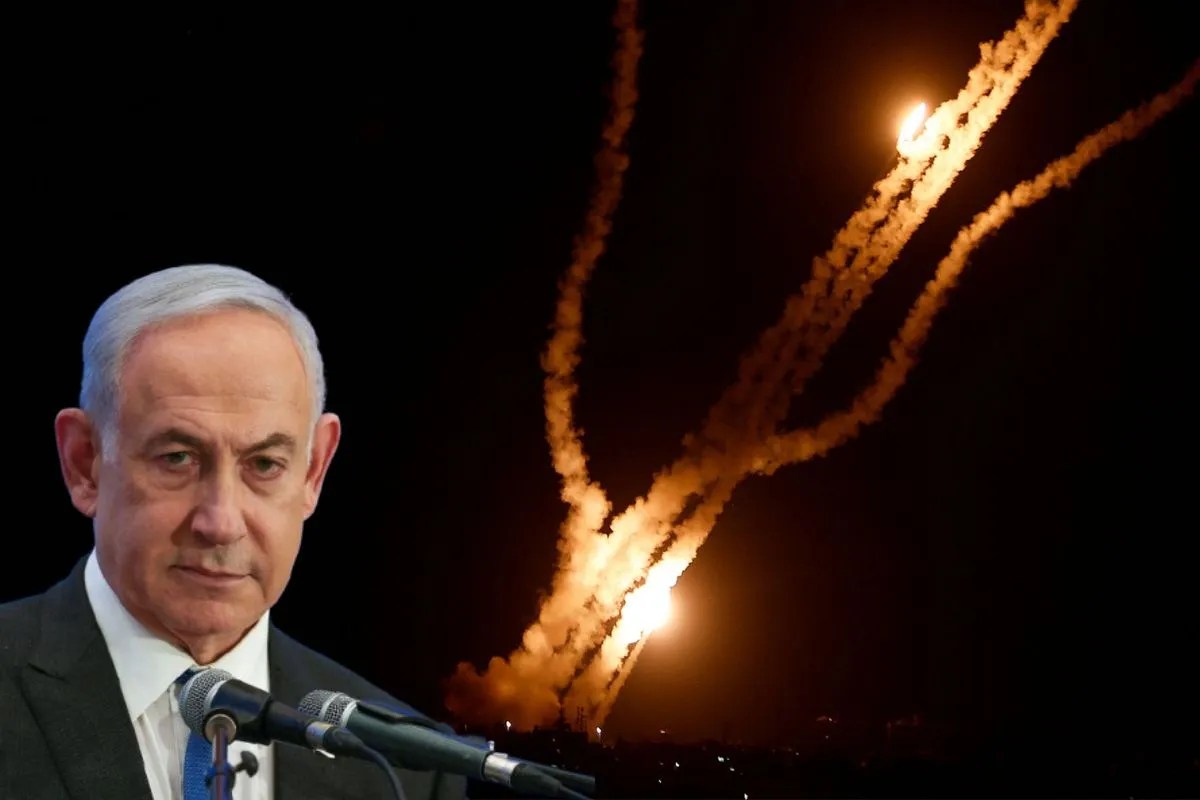
The ground shifted three years ago, and Western capitals are still trying to find their footing. When Hamas launched Operation Al-Aqsa Flood on October 7, 2023, the immediate reaction across Washington and European headquarters was unconditional solidarity with Israel. Governments rushed to back military retaliation, viewing the assault through a singular lens of counter-terrorism. Fast forward to today, and that unified front has fractured completely. With the death toll in Gaza climbing past seventy-four thousand, the conversation on Western streets and in policy circles has fundamentally altered.
Public opinion didn't turn overnight. It took months of relentless bombardment, total civilian displacement, and a mounting humanitarian catastrophe to erode traditional alliances. Recent polling data highlights a striking disconnect between legacy political positions and public sentiment. Surveys from organizations like Pew and Gallup show that majorities in several Western nations now view Israel's ongoing military campaigns with severe disapproval. In the United States, traditional bipartisan consensus has given way to sharp internal debates, especially among younger demographics and political factions who question the strategic value of blank-check military aid.
Europe presents an even more fragmented picture. While continental governments tread carefully due to deep-rooted diplomatic and trade ties, public pressure has forced visible cracks in the European union's stance. Several nations, including Spain, Norway, and Ireland, took the symbolic and diplomatic step of officially recognizing the State of Palestine. They didn't do it in a vacuum. Citizens across London, Paris, and Berlin took to the streets by the hundreds of thousands, transforming the Palestinian cause from a distant foreign policy issue into a domestic political flashpoint.
Israel maintains that its primary objective remains the dismantling of Hamas's military apparatus and the secure return of hostages. Yet, military metrics tell only part of the story. The diplomatic cost of a prolonged urban campaign has left the state increasingly isolated in international forums. Legal scrutiny at institutions like the International Court of Justice has placed unprecedented pressure on leadership, turning what was once framed purely as a security operation into a global crisis of legitimacy.
Governments can try to manage the narrative through diplomatic statements, but public trust once lost is exceptionally hard to regain. The consensus that defined Western foreign policy toward the Middle East for decades is gone. Ignore this shift, and you miss the entire reality of modern geopolitics.


