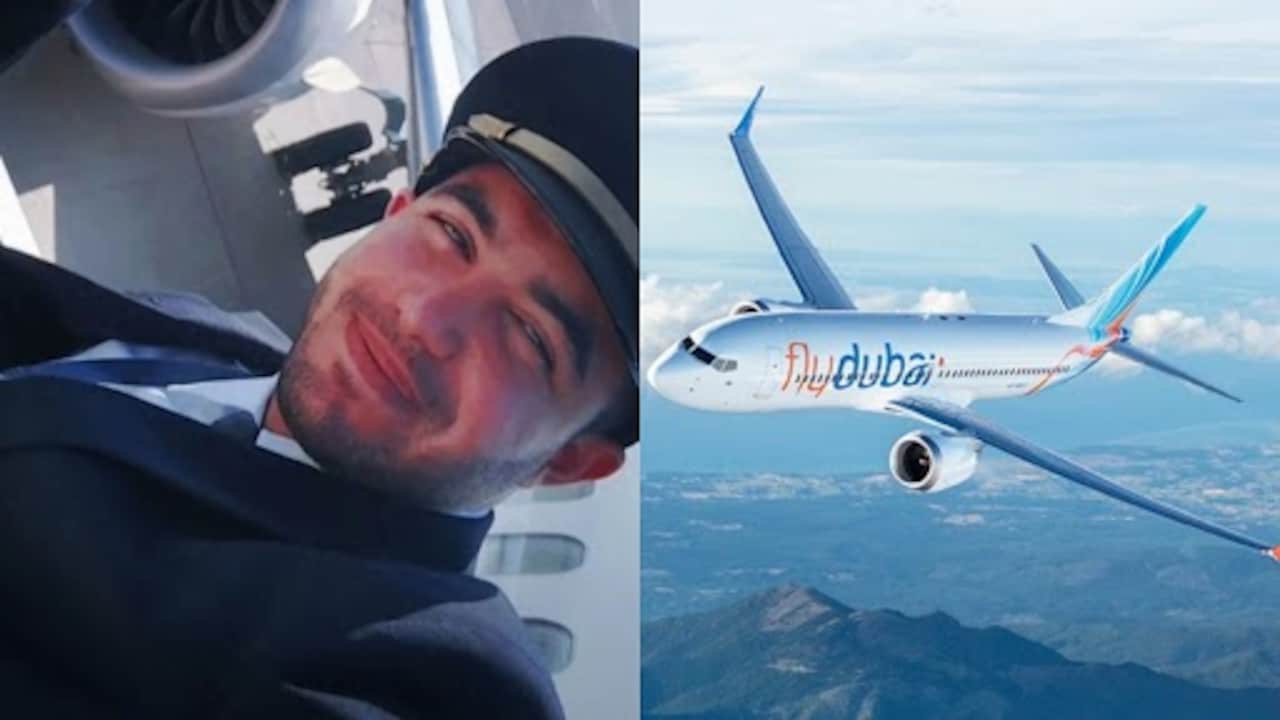
Commercial aviation relies on a fragile web of trust. Passengers strap into their seats, assume the people upfront are stable professionals, and sleep through thousands of feet of altitude. That trust fractured in mid-air last week. Hamam al-Hammami, an Omani co-pilot working for Flydubai, allegedly tried to crash a routine passenger flight heading from Dubai to Tel Aviv.
He didn't just want to cause a scene. Investigators note he confessed to wanting "revenge for Gaza" and hoping to die as a martyr.
The plot reads like a thriller novel, but the terrifying reality has exposed massive blind spots in airline background checks and international intelligence sharing. How did a pilot with suspected extremist ties manage to sit in the flight deck of a commercial airliner carrying over 170 passengers, most of them Israeli?
The Mid-Air Struggle Over Jordan
The sequence of events is chilling. Al-Hammami waited until the aircraft crossed into Jordanian airspace before making his move. Investigators report that his plan was deceptively calculated. He intended to incapacitate the captain, lock down the cockpit, secure standard landing clearances, and intentionally slam the plane into an airport facility or a crowded tarmac.
He attacked Captain Smit Machchhar, an Indian national, inflicting knife wounds and fracturing the captain's skull. Despite severe injuries, Captain Machchhar fought back and managed to unlatch the cockpit door.
That single act of resistance saved lives. Israeli passengers rushed forward to grapple with the co-pilot. One brave traveler steadied the aircraft's controls before two off-duty pilots stepped in to take charge.
Red Flags That Were Ignored
The fallout has raised hard questions for regional carriers and international regulators. Media investigations from outlets like The Wall Street Journal and CNN reveal that Omani authorities had previously flagged al-Hammami. Last year, he was removed from a job at Oman's national airline over concerns he had adopted radical ideologies. Intelligence reports suggest he spent time in Syria and possessed extremist materials during his training.
Yet, despite these glaring warning signs, he found employment with Flydubai.
Israeli Prime Minister Benjamin Netanyahu pointed out the absurdity of the security failure, noting that Israel intends to investigate how the co-pilot cleared security screenings for flights heading directly to Tel Aviv. Diplomatic tensions between nations that lack formal relations complicate flight safety protocols, but background checks shouldn't depend on whether two countries exchange ambassadors.
What This Means for Aviation Security
Airlines pride themselves on rigorous psychological testing and security clearances. This incident proves those systems are failing. When an individual with a known history of radicalization slips through national screening boards and lands inside a commercial flight deck, the commercial aviation sector faces an existential crisis.
Expect airlines to tighten pilot vetting procedures, increase background checks across regional borders, and reevaluate cockpit security protocols. Pilots undergo years of training to handle engine failures, severe weather, and mechanical disasters. Surviving an active attacker sitting right next to you in a locked cockpit shouldn't be part of the job description.