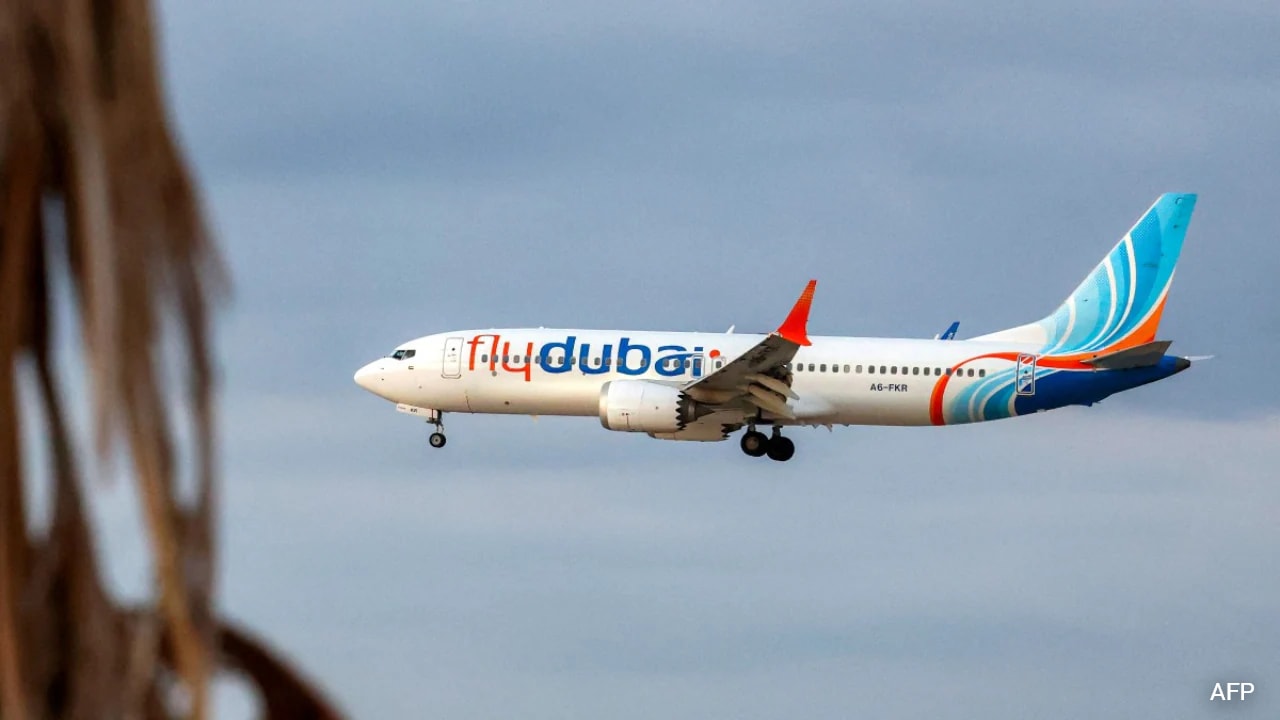
Geopolitics rarely reveals itself in a single, chaotic five-minute window at 30,000 feet. Usually, international relations happen in quiet rooms, behind mahogany tables, through drawn-out treaty negotiations. But on a flydubai flight heading toward Tel Aviv, diplomacy took an entirely different, terrifying shape.
When an Omani co-pilot named Hamam al-Hammami allegedly tried to crash the aircraft using a crash axe against Indian Captain Smit Machchhar, the cabin didn't fracture along national or religious lines. Instead, an Indian captain fought back, Emirati flight attendants managed the chaotic cabin, and Israeli passengers rushed through the opened cockpit door to subdue the attacker.
The incident instantly triggered a massive diplomatic wave. More importantly, it exposed deep structural vulnerabilities in regional aviation security and sparked urgent conversations about cross-border intelligence sharing.
Behind the Cockpit Door
Let's look at what actually happened. The flight had over 170 passengers on board. Mid-flight, the co-pilot launched a violent assault on Captain Machchhar inside the cockpit. Aviation protocols are designed to keep flight decks locked and secure against external threats. They rarely account for an active insider threat from a pilot wielding a weapon.
Captain Machchhar sustained serious injuries. Yet, despite the blood loss and a rapidly descending aircraft, he managed to unlock the cockpit door. That split-second decision changed everything. Israeli passengers on board rushed forward to help restrain the attacker. Meanwhile, two off-duty pilots stepped in to stabilize the aircraft and land it safely.
Heroism makes for great headlines. Prime Minister Narendra Modi, Israeli Prime Minister Benjamin Netanyahu, and US President Donald Trump all praised Captain Machchhar. But raw courage shouldn't mask systemic failures.
The Blind Spots in Commercial Aviation
How did an Omani national with known extremist views end up in the cockpit of a commercial airliner flying to Tel Aviv?
Oman had reportedly barred the pilot from flying domestically because of his radical views. Yet, he slipped through the cracks and secured employment with flydubai. This points to a glaring hole in global aviation screening. Airlines routinely run basic background checks, but they often lack access to foreign intelligence databases or domestic watchlists held by individual governments.
To make matters worse, Oman does not maintain formal diplomatic relations with Israel. When commercial flights began connecting Dubai and Tel Aviv following the Abraham Accords, security protocols were established to vet flights, but glaring loopholes remained. The Israeli Foreign Ministry pointed out that international carriers operate under diverse hiring standards, and regional cooperation on pilot vetting has historically been fragmented at best.
A New Kind of Regional Alliance
Following the incident, the Israeli Foreign Ministry framed the mid-air intervention as a symbol of a new regional alignment. Israelis, Emiratis, and Indians working together against a common threat.
The framing is politically potent. The UAE remains one of the few Arab nations to normalize ties with Israel under the 2020 Abraham Accords. Just days before this incident, UAE President Mohamed bin Zayed Al Nahyan hosted Netanyahu in Abu Dhabi for high-level talks focused heavily on regional security and shared threats.
Critics might argue that official statements lean too heavily into political symbolism. After all, passengers acting on survival instincts do not constitute a formal defense pact. But on a human level, the cooperation on that flight reflected the changing social realities of the Middle East. People from nations that were once strictly divided are now sharing workspaces, tourist destinations, and commercial flights daily.
What Needs to Change Now
Airlines and civil aviation authorities cannot rely on passengers acting as impromptu security forces. Aviation security must adapt to the reality of insider threats.
First, international aviation bodies need to mandate unified global background checks for commercial pilots. If a pilot is flagged for extremist views in one country, that flag should immediately restrict their employment across international carriers.
Second, intelligence sharing between Gulf nations, India, and Israel must move out of the shadows. Right now, airlines claim they rely on local security clearances, while governments point fingers at corporate hiring practices. That bureaucratic grey area is precisely where attackers slip through.
The flydubai incident could have ended in an unimaginable catastrophe. Instead, it exposed the fragility of our skies and the urgent need to close the gaps in international aviation security before the next crisis hits.

.png)

