When a commercial flight turns into a battleground inside the cockpit, the public demands immediate answers about terror networks and geopolitical plots. Yet recent investigations into the Flydubai flight bound for Tel Aviv point toward a much more isolated reality. Israeli probes indicate that the co-pilot accused of attacking the captain likely acted alone, showing no direct organizational backing or government conspiracy for now.
You might wonder how a rogue crew member slips past background checks and manages to assault the flight deck. It happens because aviation vetting protocols contain massive blind spots, especially when dealing with foreign carriers and cross-border crewing arrangements. Let's look at what actually transpired on that Boeing 737 and why security experts are scrambling to fix an overlooked flaw.
Inside the Cockpit of Flight FZ1073
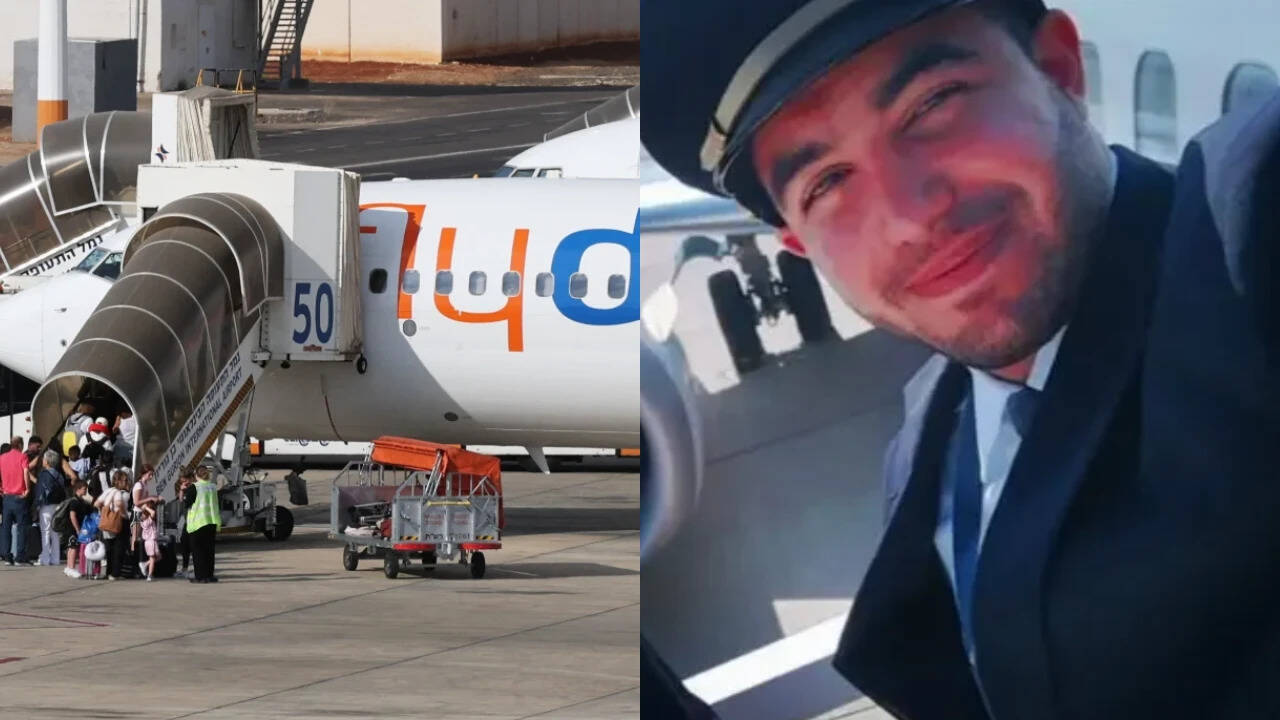
On September 30, Flydubai flight FZ1073 took off from Dubai heading toward Tel Aviv. Shortly after departure, co-pilot Hamam al-Hammami allegedly attacked Captain Smit Machchhar using a cockpit crash axe.
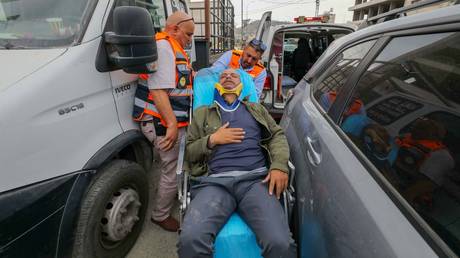
The attack wasn't just a brief scuffle. Al-Hammami disabled the autopilot and reportedly attempted to pitch the aircraft into a steep descent, aiming for the desert below. Captain Machchhar suffered wounds during the assault but managed to trigger the emergency door-opening mechanism. Cabin crew and alert passengers rushed into the cockpit, overpowering the attacker before the plane made an emergency landing in Tabuk, Saudi Arabia.
Investigators from the UAE, Saudi Arabia, and Israel immediately launched parallel inquiries. While the UAE attorney general classified the event as an attempted terrorist act, intelligence agencies started digging into the background of the 29-year-old Omani national.
Untangling the Motive and the Lone Actor Theory
Initial speculation pointed fingers in multiple directions. High-profile political figures suggested potential links to foreign governments or militant factions. However, fresh data from Israeli intelligence sources tells a different story.
Information gathered so far shows zero confirmed ties between al-Hammami and any organized terror group or state sponsor. Instead, evidence suggests a rogue individual driven by personal extremist views rather than a coordinated strike squad.
Reports from outlets like CNN indicate that al-Hammami previously worked for Oman Air before being let go over growing concerns regarding extremist ideology. He somehow secured a position with Flydubai just eight months prior to the incident. Israeli Prime Minister Benjamin Netanyahu noted during briefings that the suspect had undergone radical indoctrination, but investigators emphasize that he operated independently.
The Cross-Border Vetting Loophole
The incident exposed a glaring procedural gap in international aviation. Oman and Israel do not maintain formal diplomatic relations. Because of this political reality, Israel's transportation ministry protocols historically did not require running background or name checks on foreign flight crew members operating incoming flights, even though passenger manifests were thoroughly screened in advance.
This oversight allowed an individual with documented red flags to enter Israeli airspace unchecked. Following the near-disaster, Israeli authorities ordered an immediate overhaul of security procedures for foreign civil aviation.
Aviation security isn't just about locking cabin doors or installing reinforced bulkheads. It is about the human element on the flight deck. When airlines hire pilots across international borders without unified, rigorous global vetting standards, passengers become unwitting test subjects for institutional blind spots.
Preventing Future Cockpit Breaches
Airlines and regulatory bodies now face immense pressure to tighten screening processes. Background checks must extend beyond basic qualifications and flight hours. Psychological evaluations, continuous behavioral monitoring, and cross-jurisdictional intelligence sharing are no longer optional extras. They are basic requirements for keeping the skies safe.
If you fly frequently, incidents like this shake your confidence. They prove that physical barriers alone won't stop someone determined to cause harm from within.
Check your airline's safety records, stay informed about international aviation policy changes, and demand better accountability from regulatory bodies before the next loophole closes too late.
:quality(70)/cloudfront-us-east-1.images.arcpublishing.com/elimparcial/UGGLMDBQYVEEBMGNUVRRRGGBZI.JPG)