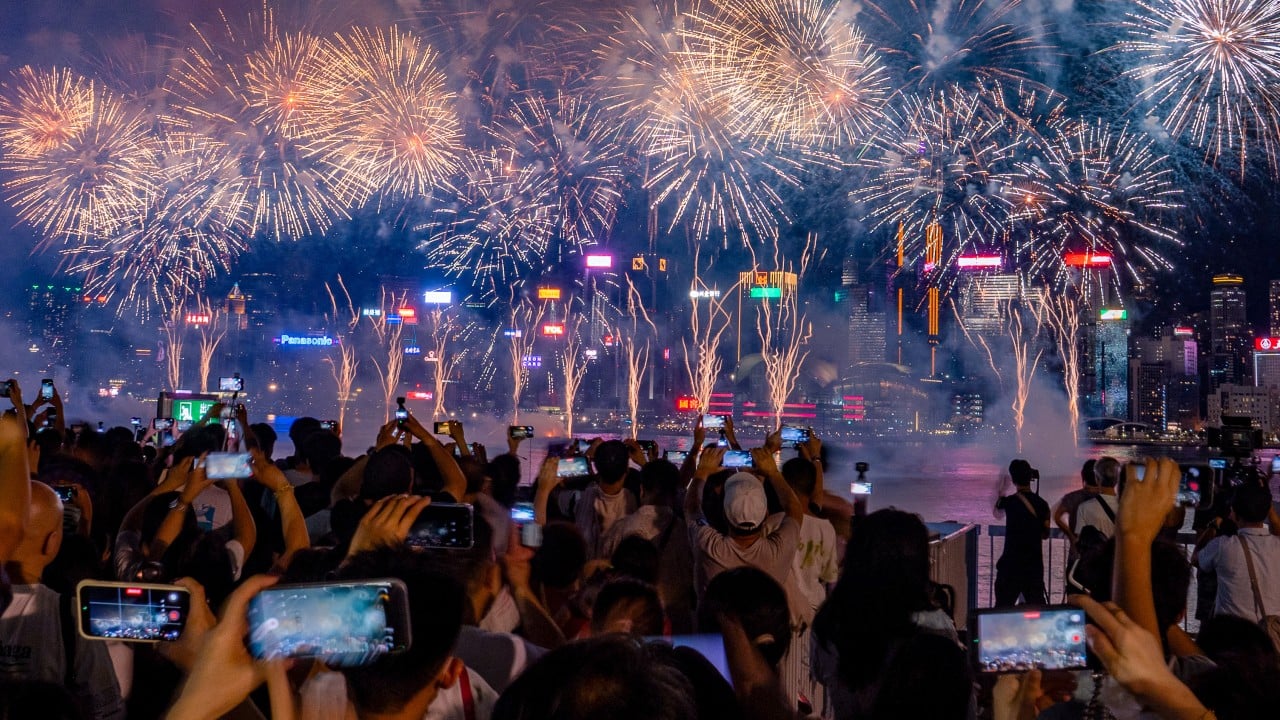
Crowds poured across the border faster than anyone predicted. When 511,311 mainland Chinese visitors flooded into Hong Kong during the first two days of the National Day golden week holiday, beating pre-pandemic 2018 figures, tourism officials breathed a massive sigh of relief. You'd think local businesses were celebrating record profits. Honestly? The reality on the ground is way more complicated than a simple head count.
People see a million-plus arrivals and assume cash registers are ringing non-stop. They aren't. While Hong Kong's Immigration Department logged massive cross-boundary traffic numbers—topping 1.06 million visitor arrivals in the first four days alone—hotel occupancy rates and retail spending told a very different story. Let's look past the glossy press releases and examine what's actually happening with mainland Chinese arrivals to Hong Kong during peak holiday rushes.
The Head Count Trap
It's easy to get blinded by big numbers. The government set an ambitious target of 53.8 million annual visitors, representing an 8 percent increase over the previous year. Tourism chiefs are confident they'll hit that milestone early, driven by stellar holiday spikes.
Yet, visitor volume doesn't equal economic salvation. Travel habits have shifted dramatically. Visitors are arriving in waves, often planning shorter trips of three to four days, and they're budgeting carefully. High airfares across Southeast Asia and broader economic caution mean tourists are hunting for value rather than splashing cash on luxury goods like they used to.
You'll find packed streets in popular districts, but restaurant owners and shopkeepers in districts like Tsim Sha Tsui and Causeway Bay tell a split story. Some spots benefit from heavy foot traffic, while others watch tourists opt for budget-friendly dining or scenic outdoor spots like Sai Kung rather than high-end retail malls.
Where Travelers Are Actually Going
Tourism patterns in Hong Kong have changed. Visitors aren't just hitting traditional shopping strips anymore. Social media platforms like RedNote have reshaped itineraries entirely. Travelers are heading off the beaten path to places like Po Pin Chau, Cheung Chau, and Wong Mau Chau, seeking unique photo backdrops and nature experiences.
This shift creates a logistical headache for local authorities. When thousands of hikers descend on remote islands or scenic coastal spots simultaneously, public transport stretches to its absolute limit. The government had to implement special crowd-management measures, extra clearance counters, and vehicle kiosks at land crossings just to keep things moving.
At the same time, traditional urban draws face mixed fortunes. Rainy weather occasionally drives crowds indoors, but wet conditions can't mask the underlying shift in consumer behavior. People want experiences, memories, and good food photos, not necessarily expensive designer bags.
Adjusting to the New Normal
Hong Kong's tourism strategy is slowly pivoting. Chasing raw numbers used to be the default playbook, but sustainable growth requires keeping visitors happy and spending smartly. Officials rolled out various incentives, from half-price movie tickets to attraction discounts, trying to capture wallet share.
Yet, local lenders and businesses know they have to work harder to win over wealthy customers. Simply opening the border gates isn't enough anymore. Travelers demand better service, authentic local culture, and transparent pricing—especially with zero tolerance for forced shopping tours.
If you're running a business in the city, the takeaway is clear. Stop relying on the old golden week magic formula. Adapt to travelers who research meticulously online, plan independent itineraries, and spend with deliberate care. The crowds are back, but winning their wallets takes a completely different strategy.


