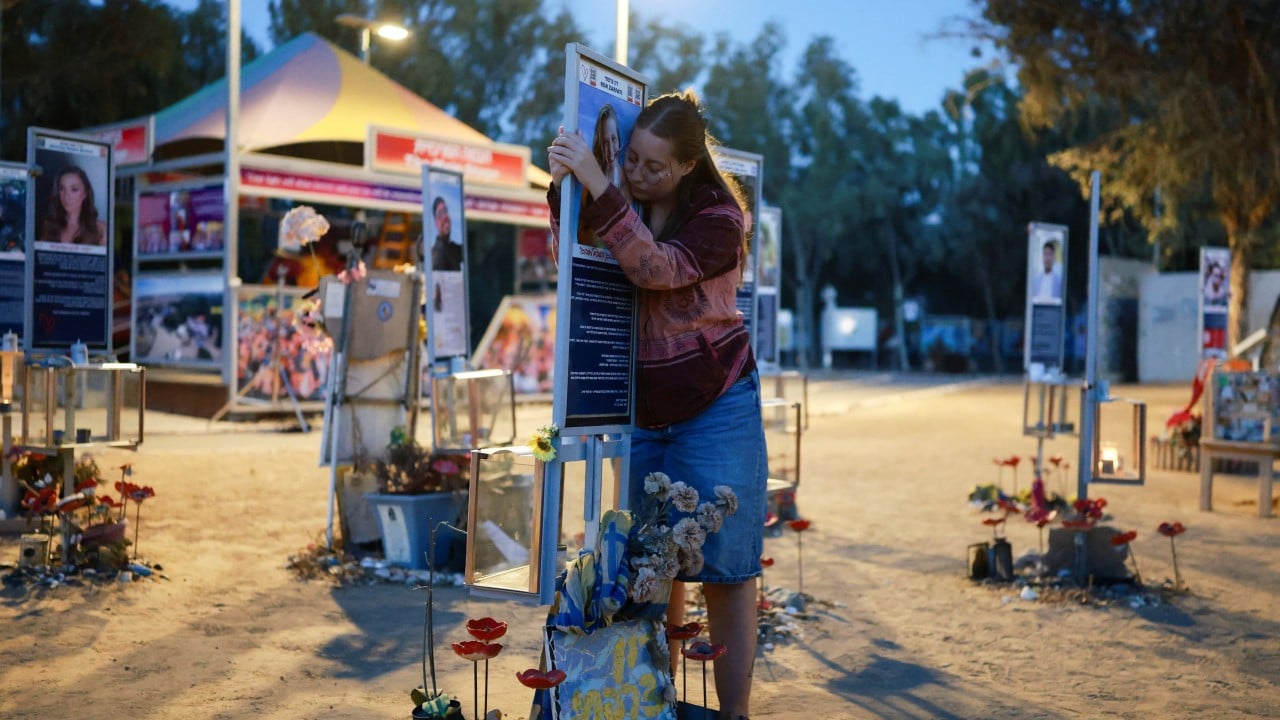
Sirens don't echo across the border towns the way they used to, but the weight of October 7 hasn't lifted. Three years have passed since Hamas militants breached the fence from Gaza, killing roughly 1,200 people and abducting more than 250 hostages. That single day shattered the collective psyche of Israel and reshaped the entire Middle East.
Today, the landscape looks radically different. Memorials span from the blood-soaked grounds of the Nova music festival near Kibbutz Reim to roadside bomb shelters in Sderot. Yet behind the solemn ceremonies and political speeches lies a grinding reality. The war sparked on that autumn morning turned Gaza into ruins, cost tens of thousands of Palestinian lives, and dragged regional proxies into an ongoing multi-front cycle of violence.
The Shifting Ground in Southern Israel
Walk through Kfar Aza or Sderot today, and you'll see a country trying to stitch itself back together while an election looms. Voters carry a deep reservoir of anger, grief, and exhaustion. The political establishment faces intense scrutiny over how security failures allowed the 2023 massacre to happen in the first place.
Unlike previous anniversaries, this year marks a grim milestone defined by the closure of the hostage file. With the remains of the final captives recovered and previous exchanges completed, families face a different phase of mourning. Healing doesn't mean forgetting. Communities in the south are rebuilding homes, but security drills and military checkpoints remain part of daily life.
The Devastation and Stalemate in Gaza
Across the border, the human cost is staggering. According to health authorities in Gaza, the military campaign that followed the initial attack has left over 74,000 dead. Huge swathes of the strip remain flattened. Even under fragile US-brokered ceasefires and diplomatic arrangements, hundreds of thousands of residents survive in tents and temporary structures.
Israel currently maintains control over a substantial majority of the Gaza Strip, enforcing buffer zones and conducting targeted operations to prevent Hamas from reconstituting its military wing. Reconstruction remains frozen because neither side trusts the other with the political future of the territory. The humanitarian crisis persists, and the dream of an independent Palestinian state feels further out of reach than ever.
A Wider Regional Footprint
The shockwaves didn't stay contained to the Gaza border. Over the past three years, Israel's military reach expanded dramatically across the region. Skirmishes with Hezbollah in Lebanon evolved into full-scale confrontations, drawing in direct missile exchanges with Iran and altering deterrence equations from Tehran to Tel Aviv.
Ambassadors and foreign policy analysts point out that while Israel's economy has managed periods of sharp recovery, the strategic burden of maintaining a multi-front defense posture is exhausting. The illusion of permanent containment is gone. Military planners now operate on a permanent footing of high alert, knowing that deterrence requires constant enforcement.
Looking Ahead
Three years on, nobody is talking about a quick resolution. The anniversary serves as a painful reminder that military victories do not automatically translate to lasting political solutions. Israelis want safety to return permanently to their kibbutzes and towns, while Palestinians in Gaza face a generation of rebuilding from ash.
The scars are permanent. The path forward remains narrow and unforgiving.
Israeli Ceremony Marks 3rd Anniversary of October 7th as Trump
This video provides footage and live reporting from the official ceremonies marking the three-year anniversary of the October 7 attacks in Israel.
http://googleusercontent.com/youtube_content/1


