International diplomacy doesn't usually play out in local municipal boardrooms, but Phoenix just became the latest flashpoint between Washington and Beijing. Arizona officials officially opened a brand-new Taiwan representative office, completely brushing off explicit warnings and diplomatic pressure from the Chinese government.
If you're wondering why a desert state is suddenly on the front lines of global geopolitics, it all comes down to heavy manufacturing, high-tech supply chains, and massive multi-billion-dollar investments. Let's break down what actually happened and why local leaders decided to look past Beijing's threats.
The Backstory Behind the Phoenix Office
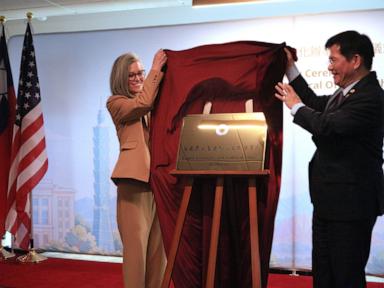
Governor Katie Hobbs and Taiwanese officials cut the ribbon on the new Taipei Cultural and Economic Office in Phoenix. The goal? To streamline support for the massive influx of Taiwanese citizens, engineers, and corporate teams setting up shop in the Grand Canyon State.
Long before the doors opened, Beijing tried to slam them shut. The Chinese consulate general in Los Angeles fired off multiple formal letters to Governor Hobbs' office, demanding that Arizona officials scrap the project. One July letter explicitly warned the state to "refute such an attempt by the Taiwan authorities and stop any political gimmicks to harm the friendship and cooperation between China and the State of Arizona."
Governor Hobbs didn't back down. Instead, she pointed straight to the practical realities driving the partnership. "Every Arizona elected official should show the courage necessary to support the partnership between Arizona and Taiwan," Hobbs stated during the opening ceremony.
Why Arizona Won't Back Down From Taiwan
Let's be honest. State governors don't usually pick fights with foreign superpowers unless there is massive local economic leverage on the table. In Arizona's case, that leverage is spelled T-S-M-C.
Taiwan Semiconductor Manufacturing Company is pouring tens of billions of dollars into massive fabrication plants right in North Phoenix. This isn't a small satellite branch or a remote warehouse. It's one of the most critical semiconductor manufacturing hubs in the entire Western Hemisphere. Thousands of Taiwanese workers, suppliers, and tech executives now live, shop, and work in the Phoenix metro area.
Phoenix Mayor Kate Gallego noted that the city's local communities are experiencing a dramatic shift, with local hospitals even rolling out Mandarin language programs to accommodate the growing population of families moving to the region. When you have billions in high-tech infrastructure and thousands of specialized engineers relocating to your backyard, diplomatic pressure from thousands of miles away starts to sound a lot less persuasive.
The Bigger Picture for U.S. State Diplomacy
Beijing views Taiwan as a breakaway province and fiercely opposes any official or semi-official interactions between foreign governments and Taipei. Liu Chang, a spokesperson for the Chinese Embassy in the U.S., reiterated that China firmly opposes official interactions of any form between Taiwan and U.S. federal or state governments.
Yet, federal authorities in Washington have quietly encouraged state leaders to maintain robust economic ties with Taiwan, especially when it comes to securing critical tech supply chains. Local leaders found themselves caught between a superpower's warnings and the undeniable momentum of a booming local economy. Arizona chose the economy.
By pushing ahead with the representative office, Arizona has signaled a growing trend. State-level actors are increasingly willing to navigate international crossfires when local prosperity is tied directly to foreign partners. Expect other tech-heavy states to watch Phoenix closely as they weigh the risks and rewards of building deeper ties with Taiwan.