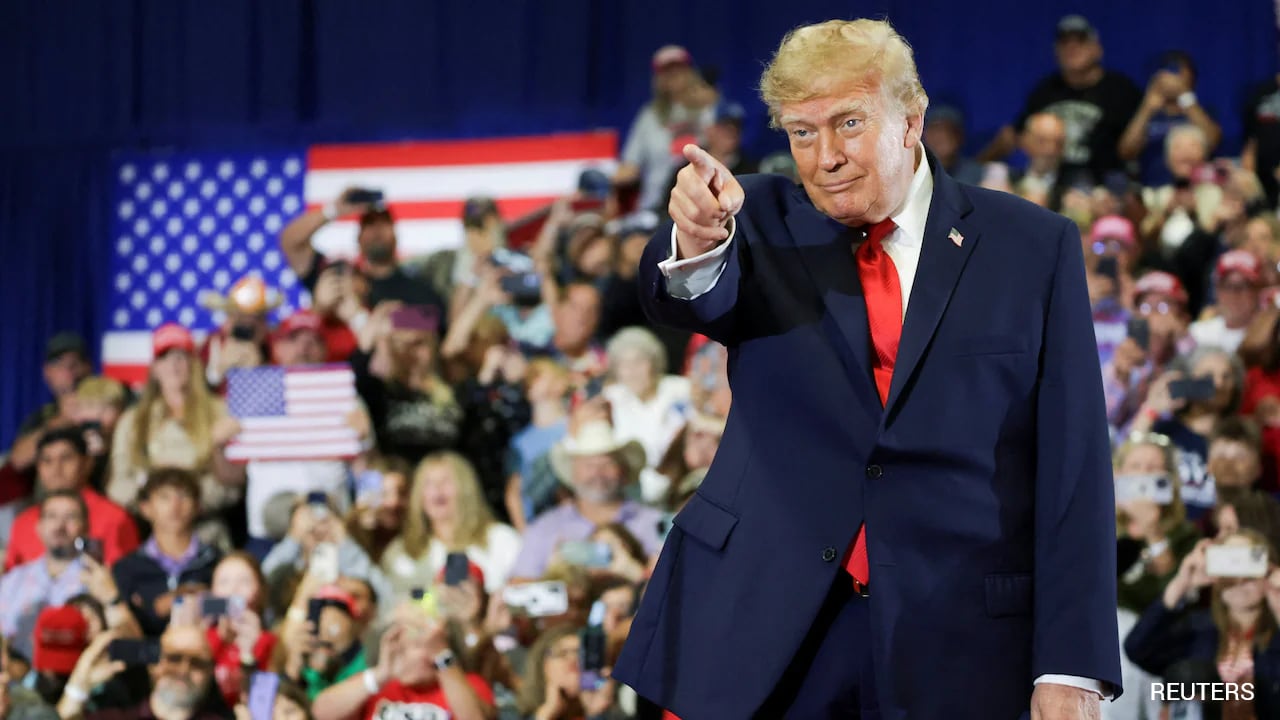
Every October, the conversation around the Nobel Peace Prize turns into a high-stakes guessing game. Right now, everyone is asking whether Donald Trump can actually secure the honor in 2026. Official nominations have rolled in from leaders in countries like Cambodia, Israel, and Pakistan. But behind the diplomatic posturing, the reality on the ground tells a completely different story.
If you look at the political climate, an outright win for Trump seems practically impossible. The Norwegian Nobel Committee operates behind closed doors, yet their historical criteria and current geopolitical tensions paint a very clear picture. Let's look at why experts believe the white envelope won't bear his name this October, and what the committee's decision actually tells us about the current state of global affairs.
The Shadow of Ongoing Conflicts
You cannot separate the Nobel conversation from current foreign policy realities. Ongoing military friction involving the United States and Iran has put Trump right back in the center of diplomatic crosshairs. When a sitting US president is actively engaged in escalating conflicts, the five-member Norwegian committee faces immense institutional pressure.
Last year's unusual sequence of events still casts a long shadow over Oslo. When Maria Corina Machado won the prize and subsequently handed her gold medal to Trump in an effort to court American political support, it shocked international observers. Experts from institutions like the Peace Research Institute Oslo note that the committee will be hyper-conscious of avoiding a repeat of that dynamic. They don't want to award a prize that looks like a concession to political coercion or one that places a laureate under direct pressure from Washington.
The Safe Route vs. Defending the International Order
The committee currently faces a sharp ideological fork in the road. One option is to choose a completely uncontroversial candidate—such as grassroots networks providing disaster relief or humanitarian groups like Save the Children. Going this route avoids stepping on toes and prevents direct retaliation against Norway, a country Trump previously blamed for snubbing him.
On the other hand, historians argue that the current political climate demands a stand. International bodies like the International Criminal Court (ICC) or the International Court of Justice (ICJ) represent the exact type of multilateral governance that the current US administration frequently challenges. Honoring these institutions would send a loud, unmistakable signal about defending liberal democracy and international law.
Who Are the Real Contenders Instead
Since Trump's chances are viewed by analysts as remarkably low, attention shifts toward figures and groups embodying active resistance or moral authority. Pope Leo has emerged as a prominent thought leader on the global stage, frequently speaking out against war and criticizing US military engagement in the Middle East—comments that earned him a public rebuke from the White House. Similarly, figures like UN special rapporteur Francesca Albanese face intense heat from Washington and Israel over accountability in Gaza and the West Bank, making them powerful, if polarizing, symbols of human rights advocacy.
The committee's final announcement will arrive on October 9. Whether they choose a defiant defender of international tribunals or opt for a quiet humanitarian group, one thing is certain. The decision will be shaped just as much by the desire to protect the integrity of the institution as it will be by actual peace efforts.
Keep an eye on how Oslo handles the pressure. The fallout from this year's prize will ripple across international relations long after the winner is announced.


