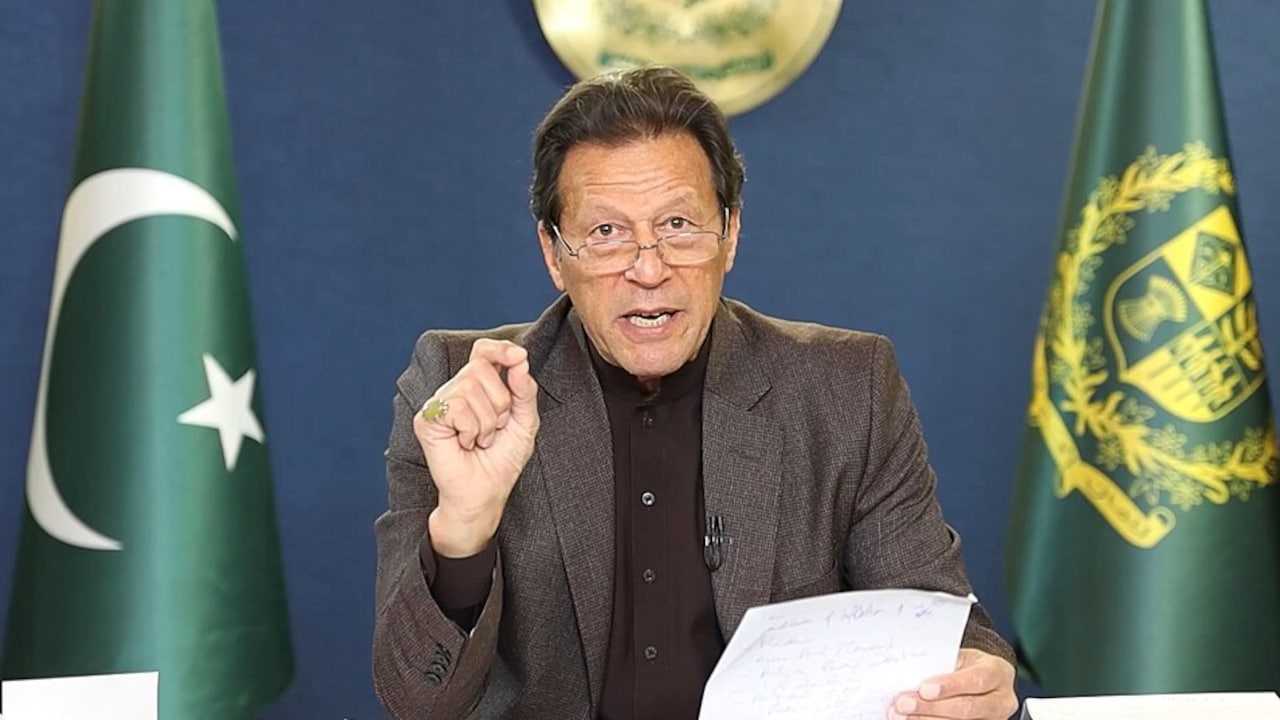
Thousands of protesters in Pakistan's northwest just kicked off a high-stakes long march toward Islamabad. If you think this is just another standard political rally, you're missing the bigger picture. Imran Khan has been behind bars since August 2023, facing a mountain of charges from corruption to treason. But his party, the Pakistan Tehreek-e-Insaf (PTI), isn't just marching because their leader is locked up. They are riding a massive wave of economic frustration, anger over restricted medical access, and deep distrust of the political establishment.
Talks between government negotiators and PTI representatives completely collapsed over the weekend. The main sticking point? Basic medical access for the 73-year-old former prime minister and the release of detained party members, including Khan's three sisters. When negotiations hit a wall, convoys rolled out of Lakki Marwat in Khyber Pakhtunkhwa province. Trucks plastered with banners reading "release Imran Khan" are currently making their way west, testing the federal government's patience and defensive barricades.
The Economic Boiling Point Driving the Protests
Let's be honest about why ordinary citizens are willing to brave shipping-container roadblocks and police crackdowns. Geopolitics and soaring living costs are doing the heavy lifting here. Global conflicts, including fallout from the war in Ukraine and regional instability involving Iran, have sent fuel and food prices skyrocketing across Pakistan.
Day-to-day survival is exhausting for millions right now. When grocery bills double and heating costs spike, populist figures become powerful lightning rods for public rage. Imran Khan remains that focal point. Even from a prison cell, his massive grassroots support network refuses to fade away. Analysts from organizations like the Royal United Services Institute note that while the state machinery and the army are fully capable of locking down Islamabad, the underlying public pressure isn't going away anytime soon.
Why Islamabad Is Bracing for Impact
Authorities aren't taking any chances. Main access routes into the Pakistani capital have been choked off with double-stacked shipping containers. Public transit is crippled, traffic is snarled, and security forces are on high alert.
The provincial government in Khyber Pakhtunkhwa—which is ruled by PTI—has laid out a phased travel plan. Demonstrators aim to reach Khairabad, roughly 50 miles west of Islamabad, before announcing their next moves. Chief Minister Sohail Afridi and other party leaders are coordinating the push, while federal officials try to balance security concerns with the political fallout of a heavy-handed crackdown.
Security experts point out that Pakistan faces unique pressures right now, especially following unresolved border tensions with Afghanistan earlier in the year. Islamabad wants to avoid a full-blown internal security crisis, meaning handling tens of thousands of angry protesters requires a delicate touch. Yet, the state's determination to keep demonstrators out of the capital is absolute.
What Happens When the Convoys Reach Khairabad?
You're probably wondering how this standoff resolves. The truth is, neither side wants to back down. The government views the march as a direct challenge to its authority and stability. PTI sees it as a fight for basic democratic representation and the personal liberty of a popular leader whom they believe is being silenced through the courts.
If you are following this situation closely, watch the milestones on the road to Khairabad. The rhetoric from party leadership over the next few days will determine whether this march turns into a prolonged sit-in or sparks wider nationwide strikes. The economic grievances fueling these crowds are very real, and until inflation cools down and political dialogue resumes in earnest, the streets of Pakistan will remain a battleground for political survival.

.png)

