For decades, the global defense market followed a predictable script. Moscow sold weapons, Beijing expanded its economic footprint, and New Delhi mostly bought imports to secure its borders. Today, that script is completely torn apart. India is stepping into the export arena with home-grown and co-developed missile systems, targeting regions that traditional superpowers consider their exclusive backyards.
When nations outside traditional Western alliances start buying hardware from New Delhi instead of Moscow or Beijing, the geopolitical shockwaves travel fast. You're looking at a quiet shift in global power where New Delhi stops being just a massive buyer and starts becoming a regional security provider.
The Shift From Importer to Exporter
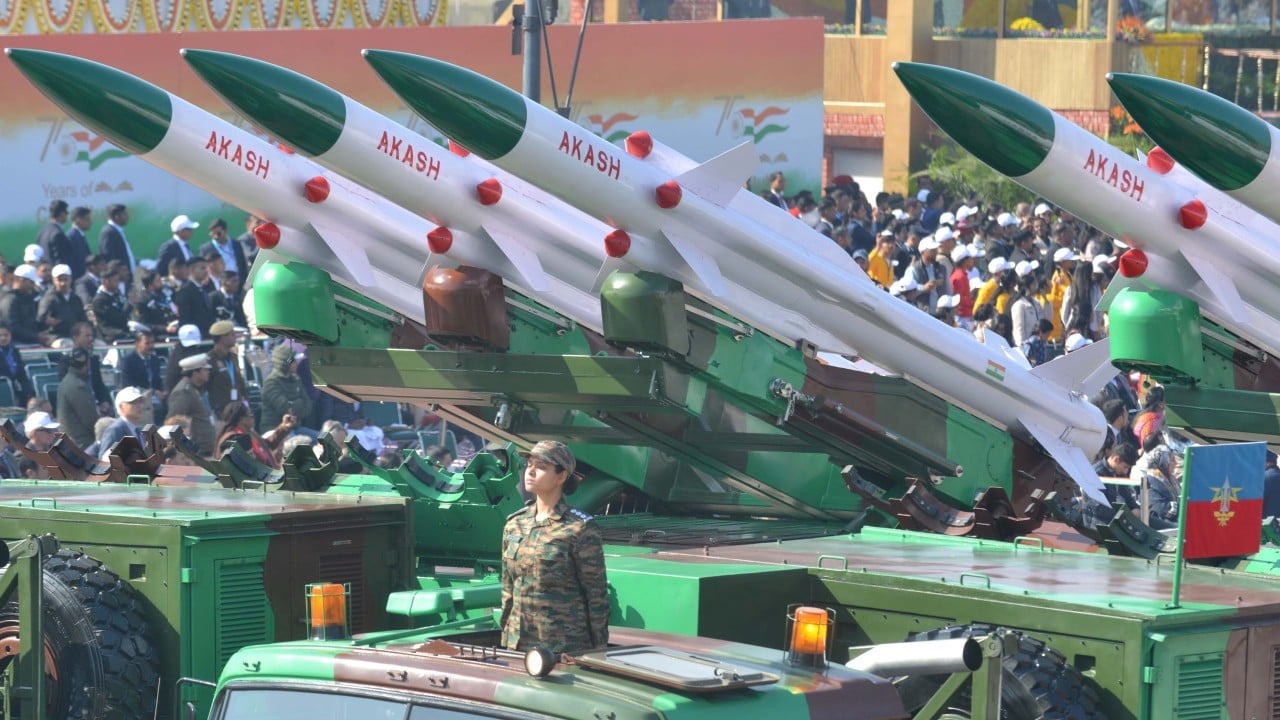
India spent a long time as the world's largest arms importer. That reliance came with heavy baggage, including delayed maintenance, supply chain bottlenecks, and diplomatic tightropes. But domestic manufacturing reforms changed the math. Systems like the home-grown Akash short-range surface-to-air missile—a 5.87-metre, 710kg defense asset built by the Defence Research and Development Organisation—are proving that India can build reliable, cost-effective gear.
Take Armenia's entry as an international customer for the Akash system. Driven by Russian supply shortages and the pressing threat of rival drone fleets, Yerevan looked past traditional suppliers and chose Indian hardware. When countries buy systems designed to hit multiple aerial targets between 100 metres and 20km high with built-in electronic jamming protection, they are buying strategic autonomy.
Meanwhile, supersonic cruise missiles like the BrahMos—co-developed with Russia—are seeing export benchmarks soar past US$600 million, highlighted by major orders from the Philippines and discussions with other nations. New Delhi isn't just selling weapons; it's exporting geopolitical influence.
Why Moscow and Beijing Care
Russia and China view Eurasia and its surrounding zones through a very specific lens of influence. For Moscow, selling arms to regions like Central Asia and the wider neighborhood has always been a primary tool for maintaining diplomatic leverage. When India steps in with alternative missile platforms, Russia's monopoly on regional security frays.
At the same time, Beijing watches New Delhi's growing export ambitions with deep suspicion. China has spent years using the Belt and Road Initiative and aggressive defense diplomacy to lock neighboring countries into its orbit. India offering advanced missile technology provides these nations with a credible alternative. It breaks the binary choice between Western sanctions and Beijing's economic gravity.
Furthermore, weapons integration creates long-term military ties. Training, spare parts, and software updates lock nations into decades-long partnerships. If Central Asian or Southeast Asian militaries build their air defense architecture around Indian-supplied platforms, New Delhi's strategic footprint expands directly into areas Beijing considers its sphere of dominance.
The Real Challenges Ahead
Let's be honest about the hurdles. Building a world-class defense export industry isn't just about having good hardware; it's about sustaining it. India still faces heavy skepticism regarding its delivery timelines, integration capabilities, and maintenance infrastructure.
When you export complex missile batteries, you're signing up for decades of technical support. If New Delhi wants to compete directly with established defense giants, it has to fix its notoriously slow bureaucratic procurement cycles. It also has to navigate the tricky diplomatic waters of selling Russian-origin technology or components while maintaining defense partnerships with Western nations.
Yet the momentum is real. The economic value is climbing rapidly, and the demand from nations looking for non-aligned, cost-effective defense shields is only going up.
If you're tracking where global defense dollars and strategic alignments are heading over the next decade, keep your eyes on New Delhi's export ledger. The monopoly is broken.
India turns to Russian missiles to counter China-backed Pakistan
This video provides an in-depth look at how India's recent high-end missile procurement strategies tie directly into its broader defense calculus against regional competitors.

:quality(70)/cloudfront-us-east-1.images.arcpublishing.com/elimparcial/UGGLMDBQYVEEBMGNUVRRRGGBZI.JPG)

