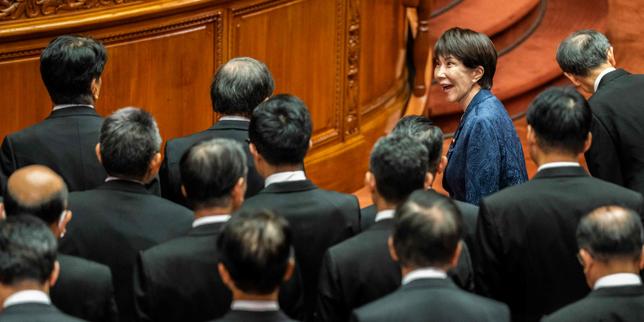
Geopolitics rarely moves in a straight line, and Tokyo is learning that lesson the hard way right now. Japanese Prime Minister Sanae Takaichi just stood before parliament to pledge a stable, constructive path forward with Beijing, calling China an "important neighbor." It's a striking pivot for a leader whose sharp rhetoric previously plunged bilateral ties to rock bottom.
If you're wondering how Tokyo and Beijing got here, you have to look back at the friction triggered by Takaichi's comments on Taiwan. Last November, she suggested that Japan might military-wise step in if Beijing launched an attack on the self-ruled island. That single remark set off a diplomatic firestorm. Beijing hit back hard, warning citizens away from travel to Japan and clamping down on rare-earth exports that Japanese manufacturers desperately need.
Now, reality is setting in. Economic interdependence doesn't care about political posturing.
The Cost of a Cold War in Asia
When supply chains stall, everyone feels the pain. China remains Japan's largest trading partner, and Japanese firms rely heavily on Chinese components and raw materials. Trade restrictions and rare-earth supply squeezes aren't just abstract policy problems—they hit factory floors in Osaka and Tokyo immediately.
Takaichi's latest speech wasn't a sign of weakness, though. It was a calculated exercise in pragmatism. She made it clear that while Tokyo wants open channels of communication, Japan won't back down on its core security positions. She explicitly stated that Japan will firmly assert its national interests and press Beijing for responsible behavior.
You can't have a functional diplomatic relationship without setting boundaries, and Takaichi is trying to walk that tightrope. She wants trade to flow freely again without looking like she's capitulating to pressure from the mainland.
Domestic Pressures Pile Up
Foreign policy is only half the battle for Japan's current administration. Takaichi is juggling a messy domestic landscape that leaves very little room for error. Inflation is pinching household budgets, public debt is raising red flags in global financial markets, and a demographic crisis continues to hollow out the nation's workforce.
During her address, she labeled population decline a "quietly advancing national crisis." When a country is losing hundreds of thousands of citizens every year, fighting a prolonged trade war with your biggest geographical neighbor is a luxury you simply cannot afford. Tokyo needs economic stability at home, and that means defusing tensions abroad before they do permanent damage to Japanese industry.
What Comes Next for Tokyo and Beijing
Patching up a fractured relationship takes more than a speech in parliament. Beijing's top diplomats have signaled that ties are technically waiting to be normalized, but trust doesn't return overnight. Travel advisories, commercial friction, and underlying anxieties over regional security in the East China Sea and Taiwan Strait remain active pressure points.
Expect a period of quiet, back-channel diplomacy where both sides try to save face while restoring normal trade flows. Takaichi has opened the door to dialogue, but the real test will be whether Beijing accepts her terms without demanding concessions on territorial sovereignty. Keep an eye on supply chain data over the next few months—that's where you'll see if this diplomatic thaw is real or just theater.

.png)

