Shipping containers are blocking highways. Sandbags line the streets. Islamabad looks less like a functioning capital and more like a fortress bracing for an invasion.
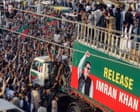
Thousands of supporters of jailed former prime minister Imran Khan are marching toward the city. They want one thing: his immediate release. The state is doing everything in its power to stop them.
If you are trying to understand what is happening in Pakistan right now, you have to look past the official press releases. This confrontation is about a stubborn political standoff, a deteriorating economy, and a former cricket star who remains the country's most polarizing political force from inside a prison cell.
The Pressure Cooker in Khyber Pakhtunkhwa
The march started in Khyber Pakhtunkhwa province. This northwestern region is the bedrock of Khan's Pakistan Tehreek-e-Inhab (PTI) party. Led by the province's chief minister, Sohail Afridi, thousands of protesters hit the road, pushing past initial government roadblocks and defying strict bans.
Talks between PTI leaders and the government collapsed over the weekend. Khan's allies demanded that the jailed leader be included in political negotiations. The government refused. Islamabad dismissed the march as completely illegal, accusing organizers of hypocrisy and claiming that bad actors might try to hijack the protest.
The stakes are high. Khan has been imprisoned since 2023 following his ouster in a 2022 no-confidence vote. His party claims the 74-year-old is languishing in solitary confinement. They point to severe health concerns, including high blood pressure and a troubling eye condition, while alleging he has been blocked from seeing doctors or family members.
Why Islamabad Is Locked Down
The reaction from the ruling coalition and the military establishment shows deep anxiety. Authorities have barricaded major entry points into the capital with shipping containers, wire, and heavy police deployments. Tens of thousands of security personnel are on high alert.
Government ministers are calling the demonstration a direct threat to public order. They argue that extraordinary measures are required to prevent chaos. But critics and opposition members see it differently. They point out that locking down an entire city signals panic rather than strength.
The economic situation in Pakistan remains grim. High inflation and a persistent public struggle for basic needs have battered the current administration's popularity. Coupled with a rising tide of terrorism, the government finds itself squeezed from multiple directions. When a government feels vulnerable, it often relies on heavy-handed security tactics. That is precisely what is playing out on the highways leading to Islamabad.
What Happens Next
The march is expected to swell as it moves closer to major population hubs. Provincial leaders are urging young supporters to turn out in force. The government has vowed to block every single route.
Tensions are boiling over. The risk of clashes between state security forces and passionate demonstrators is real. Whether this march breaks through the barricades or gets choked out by state intervention, one fact remains clear. Imran Khan's incarceration has not silenced his movement. It has amplified it.

:quality(70)/cloudfront-us-east-1.images.arcpublishing.com/elimparcial/UGGLMDBQYVEEBMGNUVRRRGGBZI.JPG)

