Drones don't care about concrete walls. Militants in northwest Pakistan learned this quickly, pairing aerial quadcopters with ground ambushes to target remote police checkposts.
Security forces had to adapt or bleed. Their answer cost roughly 400,000 Pakistani rupees ($1,435) per post. It's not a high-tech electronic jammer or a laser defense system. It's a simple commercial fishing net strung overhead between rooftops and perimeter walls.
If you're wondering how a low-cost net holds up against modern explosives, you're not alone. Experts are skeptical. Troops on the ground say it works. Let's look at what's actually happening in Khyber Pakhtunkhwa.
The Reality of Low-Cost Drone Defense
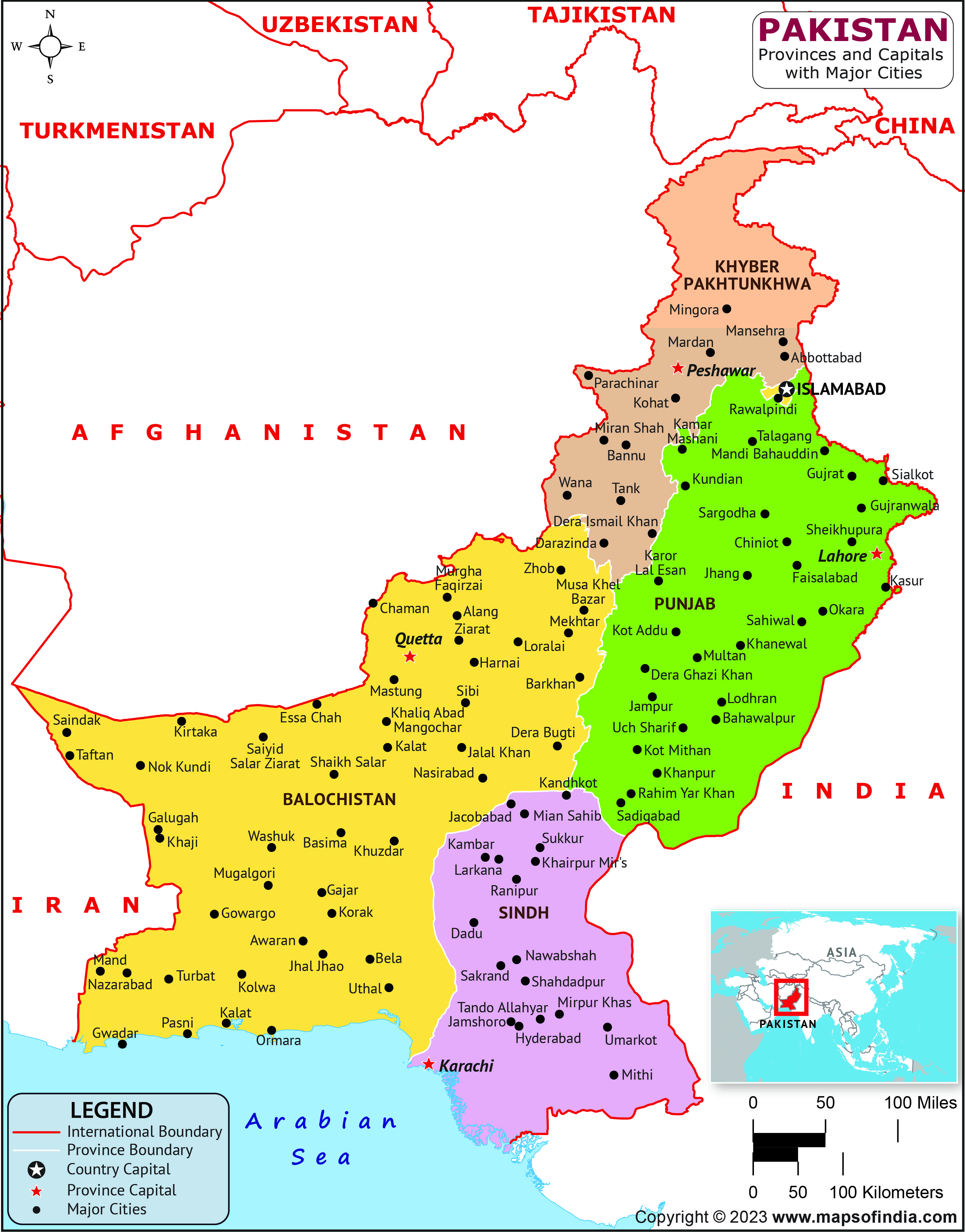
Police checkposts in districts like Hangu sit in dangerous territory. The Afghan border is close. The Tehreek-e-Taliban Pakistan (TTP) operates freely across the region. When armed groups started strapping explosives to drones and dropping them directly onto sleeping quarters, standard bulletproof vests became useless.
Police inspector Fayyaz Khan survived a brutal seven-hour siege at the Sarki Piyala checkpost. His unit faced gunfire from all sides while quadcopters circled above.
That attack changed standard operating procedures. Local police started stringing thick black mesh overhead. The mechanics are simple.
- Entanglement: A low-flying drone hits the net and tangles its rotors before it can detonate on personnel.
- Shrapnel Dispersion: Even if a drone explodes on impact with the net, the overhead distance forces shrapnel upward and outward rather than straight down onto officers.
Officials claim these nets reduce potential casualties by 40 to 50 percent. Police in Kohat even ran a trial where an explosive dropped onto a mounted net failed to detonate.
Skepticism From Counterterrorism Experts
Not everyone is buying it. Security analysts point out glaring flaws in the strategy.
Imtiaz Gul, executive director of the Islamabad-based Centre for Research and Security Studies, calls the nets a cheap ploy. He argues that stationary police checkposts aren't the only targets, and drones are primarily psychological weapons designed to create dramatic optics and spread terror.
Another analyst, Fida Adeel, draws comparisons to makeshift canopy screens used in Ukraine to trap incoming munitions. He notes that while the concept isn't entirely new, its real-world effectiveness remains unproven without rigorous, standardized testing.
Critics also ask the obvious question. Do these nets provide a false sense of security while ignoring the broader failure to intercept drones mid-flight?
The Broader Conflict Driving the Innovation
You can't separate these makeshift nets from the political crisis gripping Pakistan. Government officials routinely accuse the Taliban administration in Kabul of harboring TTP fighters. Kabul denies it, calling the violence an internal Pakistani issue.
Meanwhile, communities bear the cost. Social activists in local villages report that families pull kids out of school whenever militant threats spike. Checkposts draw fire, and civilians live in the crossfire.
Police aren't pretending the nets are a magic shield. They're just trying to survive until better funding and equipment arrive.
Inspectors on duty know the risks haven't vanished. They keep watch under crude nylon canopies, weapons ready, waiting for the next escalation.
Assess your own security protocols against emerging low-cost threats. Identify vulnerable overhead angles, test physical barriers before relying on them, and never assume standard fortifications are enough against aerial hazards.

.png)

