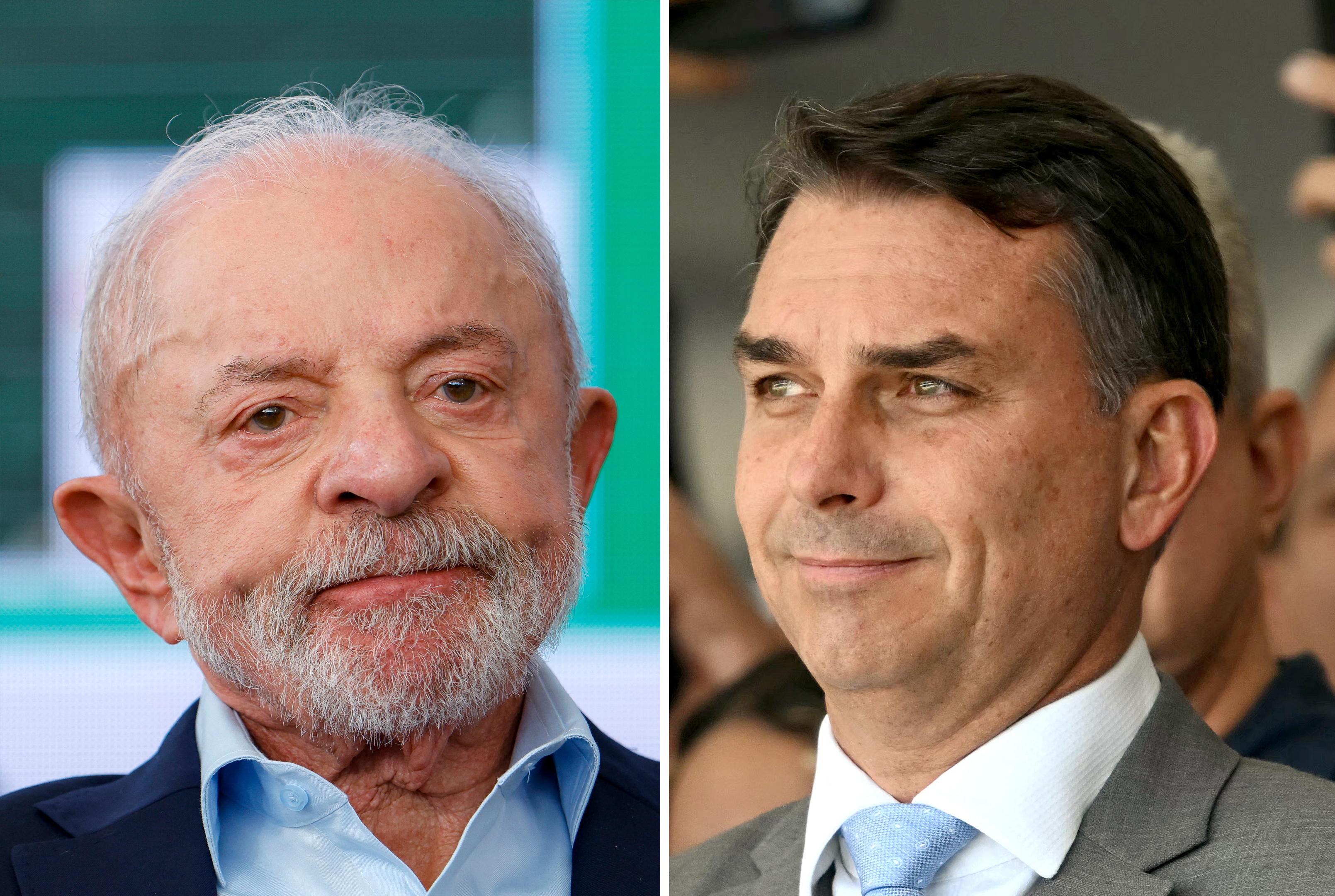
The ground shifted beneath South America's largest democracy overnight. Incumbent President Luiz Inácio Lula da Silva expected a comfortable first-round victory. Instead, he found himself trailing conservative challenger Flávio Bolsonaro in a stunning first-round vote that caught pollsters completely off guard.
With neither candidate securing the majority needed to claim outright victory, the Brazil presidential election is now hurtling toward a high-stakes October run-off. If you thought Brazilian politics had settled down after the chaotic years of Jair Bolsonaro's presidency, think again. The right is surging back with unexpected force, and the second round is going to be an absolute brawl.
What Actually Happened in the First Round
Polls predicted a strong showing for Lula, but they missed a massive underground current of frustration. Voters walked into polling stations dealing with lingering cost-of-living pressures and rising urban safety concerns.
When the ballots were tallied, Flávio Bolsonaro—son of the jailed former president—pulled ahead with roughly 47 percent of the vote, leaving Lula trailing with about 45 percent. It wasn't just a close call; it was a loud rejection of business-as-usual leftist governance in several key regions.
The momentum has clearly swung. Bolsonaro's camp enters the final sprint with the wind in their sails, while Lula’s campaign scrambles to recalibrate its messaging for a deeply polarized electorate.
The Washington Factor and International Pressure
This year's race isn't happening in a vacuum. With a conservative administration back in the White House in the United States, foreign policy has instantly become a central campaign battleground.
Bolsonaro rallies have proudly waved American flags alongside Brazilian ones, leaning heavily into a shared conservative populist vision across the Americas. Lula, meanwhile, has hit back hard, accusing foreign actors of trying to meddle in national sovereignty—a rhetorical strategy rarely deployed with this much intensity in modern Brazilian history.
This geopolitical tug-of-war is going to dominate airwaves over the next few weeks. Voters aren't just choosing between two economic models or social visions; they're weighing how Brazil positions itself on the global stage against shifting superpower dynamics.
Why the Right's Surge Surprised Everyone
Political analysts missed the depth of anti-incumbent sentiment brewing outside major urban bubbles. Years of economic anxiety tend to punish whoever is sitting in the presidential palace.
Furthermore, congressional races painted a clear picture: voters handed a massive chunk of legislative power to right and far-right candidates. Out of dozens of Senate seats up for grabs, the conservative wave captured an overwhelming majority.
This means that even if Lula pulls off a victory in the run-off, he will face a hostile, emboldened congress ready to block his agenda at every turn. The political gridlock could be historic.
What to Watch Leading Up to October 25
The runoff date is locked. Both campaigns have less than three weeks to lock down undecided voters and energize an exhausted public.
Lula needs to convince working-class voters that his past economic safety nets are the only defense against market instability. Bolsonaro needs to prove that his conservative coalition can manage inflation, clamp down on crime, and govern without descending into total institutional chaos.
Expect sharp attacks, frantic coalition-building, and an endless stream of digital campaigning. The outcome is basically a coin flip, and the entire continent is holding its breath.


