Big legal and political battles rarely happen in isolation. Right now, a clash at the U.S. Supreme Court over fossil fuel accountability is running parallel to a high-stakes presidential runoff in Brazil. Both stories expose deep fractures over accountability, climate policy, and power. If you want to understand where energy policy and global democracy are heading, you have to look at how these two fronts are playing out.
The Supreme Court Confronts Fossil Fuel Liability
The U.S. Supreme Court just opened its new term by hearing oral arguments in a high-profile climate change lawsuit. Boulder, Colorado, is suing major energy companies like Suncor and ExxonMobil. The core argument isn't just about weather or emissions. It's about deception.
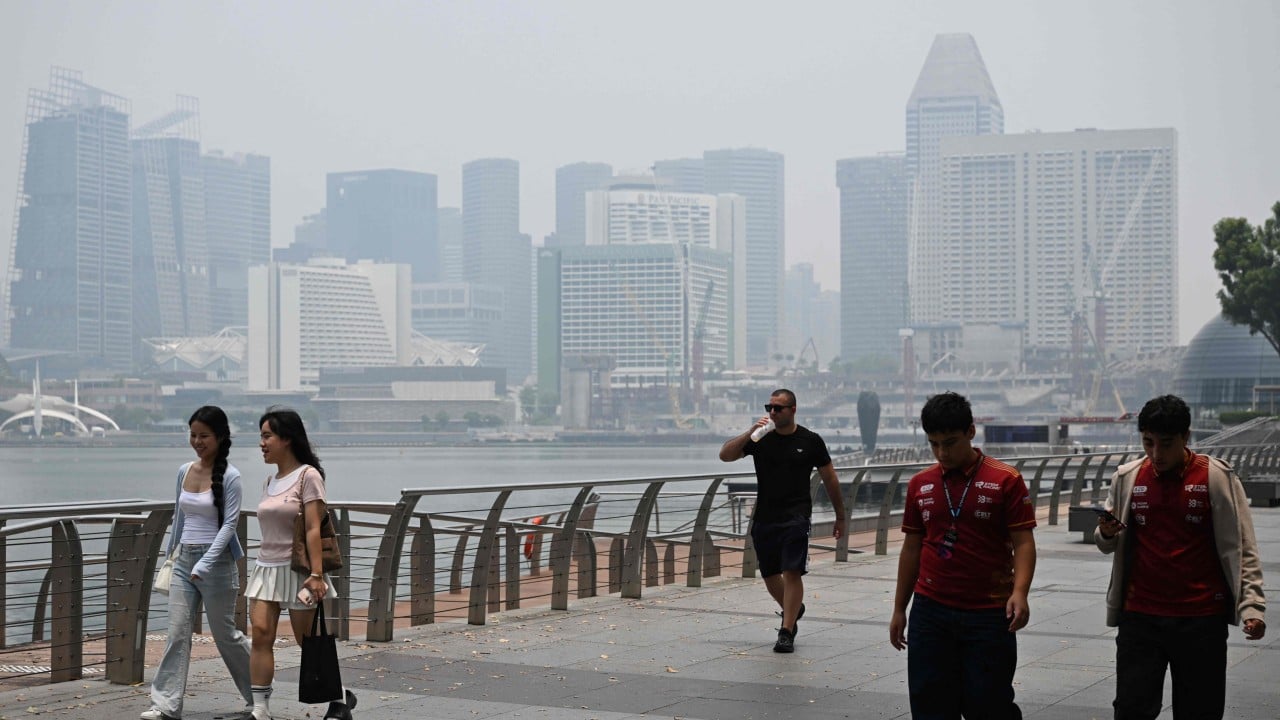
Local officials contend that energy corporations misled the public for decades regarding the true dangers of fossil fuels. They argue that these misleading campaigns left municipalities to foot the massive bills for climate-fueled disasters, from catastrophic droughts to smoke-choked air and wildfire recovery.
The energy companies are fighting back with a procedural shield. They argue that climate change is inherently global and should be handled exclusively by federal regulators and federal law, not local state courts.
What makes this specific hearing even more volatile is the bench itself. Justice Samuel Alito recused himself from the case, leaving only eight justices to hear arguments. That creates a very real risk of a tie. A split decision would leave in place the lower Colorado Supreme Court ruling, which allowed the lawsuit to proceed at the state level. Such an outcome could open the floodgates for dozens of similar local lawsuits nationwide, completely changing how accountability works for corporate polluters.
Brazil Heads to a High-Stakes Presidential Runoff
Thousands of miles south, voters in Latin America's largest democracy delivered a surprising twist at the ballot box. The 2026 Brazilian presidential election has officially headed to an October runoff after an intense first round of voting.
Incumbent President Luiz Inácio Lula da Silva secured a strong showing with over 45 percent of the vote, but he fell short of an outright first-round victory. Facing him in the upcoming runoff is Flávio Bolsonaro, representing the Liberal Party, who captured roughly 47 percent of the vote.
Lula admitted he expected to wrap up the race immediately, calling the tight margin an unexpected lesson in modern democracy. Meanwhile, Bolsonaro framed his strong performance as the end of an era for the incumbent Workers' Party, telling supporters that his focus is squarely on Brazil's economic future rather than clinging to long-term political power.
The upcoming weeks will transform into a grueling two-candidate sprint. Lula's campaign plans to lean heavily on the controversial past and associations of his opponent, while Bolsonaro's base aims to capitalize on voter fatigue and economic anxieties. With control of Congress also tilting right, the stakes for the executive office couldn't be higher.
What Connects These Global Shifts
At first glance, a local climate lawsuit in Colorado and a presidential showdown in Brasília have little in common. Look closer, and you'll see a shared theme of trust and institutional limits.
Whether local governments can pierce corporate shields to demand financial restitution for climate impacts, or whether Brazilian voters will pivot away from established leadership, the underlying tension is about who gets to set the rules. Traditional authorities are being challenged on multiple fronts. Citizens, local leaders, and insurgent political movements are demanding new ways to reckon with massive systemic risks.
Keep a close eye on how these legal and political battles resolve in the coming weeks. They won't just dictate policy in Colorado or Brasília—they'll set the playbook for how governments handle accountability on a global scale.