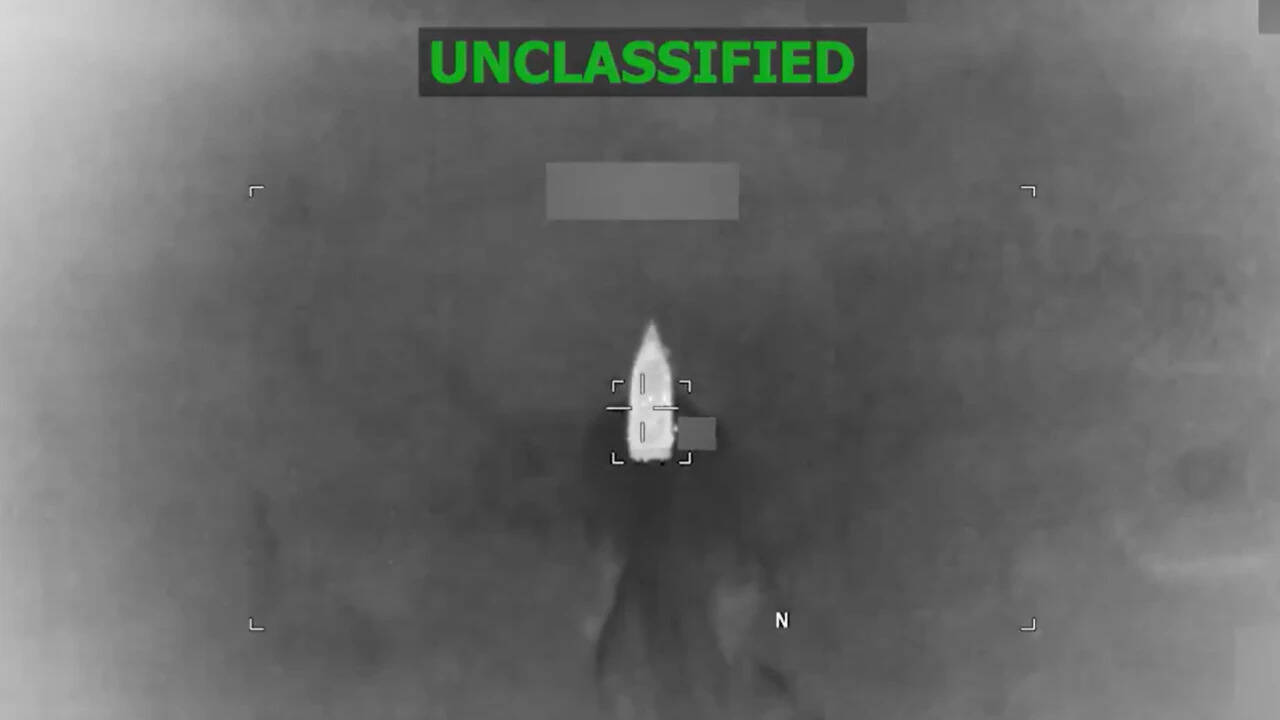
The United States military recently targeted and destroyed a go-fast vessel in the Caribbean Sea, killing four individuals labeled as "narco-terrorists." Executed by the Joint Task Force Western Hemisphere under US Southern Command directives, this lethal kinetic strike brought renewed scrutiny to an aggressive counter-narcotics strategy that has already claimed more than 220 lives across the Caribbean and Eastern Pacific.
While Washington frames these operations as a necessary response to armed cartels threatening national security, international legal experts and human rights organizations are calling them unlawful extrajudicial killings. When governments start applying the laws of war to drug enforcement, the line between policing and military execution begins to blur dangerously.
The Legal Framework Behind the Kinetic Strikes
Since late 2025, the US administration has relied on a controversial internal legal memo asserting that the nation is in a non-international armed conflict with designated drug cartels. According to this classification, the president directed the Pentagon to conduct direct military operations against smuggling networks under the law of armed conflict.
This justification relies on the argument that drug cartels operate with paramilitary force and present an ongoing threat requiring self-defense measures. Rather than treating drug trafficking strictly as a domestic law enforcement or coast guard interdiction issue, authorities are authorizing kinetic strikes at sea.
Yet, applying wartime rules outside recognized battlefields faces fierce opposition. Critics point out that traditional counter-narcotics models prioritize boarding, capturing suspects, seizing contraband, and prosecuting individuals through criminal courts. Shifting to lethal force removes due process entirely.
Global Condemnation and Human Rights Backlash
The escalation has triggered sharp rebukes from human rights defenders and international bodies. Human Rights Watch, Amnesty International, and independent United Nations experts have condemned the maritime attacks, arguing they violate fundamental tenets of international law.
Ben Saul, the UN special rapporteur on human rights and counterterrorism, stated publicly that there are reasonable grounds to view these targeted attacks as amounting to crimes against humanity under customary international law. Civil liberties groups inside the US, including the American Civil Liberties Union, have similarly dismissed the administration's justifications as unsubstantiated and overly broad.
When governments bypass criminal trials in favor of missile strikes at sea, accountability vanishes. Without transparent judicial oversight, errors in intelligence can lead to irreversible tragedies with zero recourse for victims or their families.
What Happens Next in Maritime Security
The debate over these Caribbean operations highlights a widening chasm between national security imperatives and international humanitarian standards. As long as the current administration maintains its armed-conflict classification for cartels, military assets will continue patrolling regional waters with authorization to use lethal kinetic force.
For observers watching geopolitical and defense trends, the core conflict is no longer just about stopping illegal drugs from reaching shores. It is about whether standard constitutional protections and international treaties can survive a blurring of military action and police work.
Monitor official updates from defense departments and independent legal watchdogs to track how international courts respond to these ongoing military deployments.


