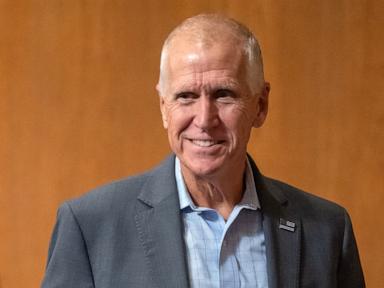
Retiring Republican Senator Thom Tillis is making plenty of noise on his way out the door. In his new book, How to Lose Friends and Antagonize Presidents, the North Carolina lawmaker looks back at his tenure and points to a single decision that keeps him up at night. He calls his deciding vote to confirm Defense Secretary Pete Hegseth the "biggest regret of my career."
It is a striking admission from a senior Republican who spent years walking a careful tightrope in Washington. But coming from someone who has already announced he won't seek reelection, it also reads like a frank post-mortem on an era of hyper-partisan politics where party loyalty frequently outweighed individual judgment.
The Cost of Compliance
For months, critics questioned whether nominees like Hegseth possessed the administrative background required to run massive federal agencies. Yet when the roll call votes came down, party lines held. Tillis admits in his book that he and dozens of his colleagues chose compliance over caution, fearing that opposing Donald Trump’s picks would spell instant doom for their political futures.
He writes that he can count at least 30 GOP colleagues who expressed private reservations about various administration actions and appointments, only to praise them publicly when the cameras rolled. That split-screen reality defines modern Washington. Politicians voice quiet anxieties to reporters or in memoir manuscripts while executing votes that lock controversial figures into powerful posts.
Tillis also points the finger at himself for not putting up a stronger roadblock against Robert F. Kennedy Jr.'s confirmation, adding to a growing list of retrospective admissions that have infuriated both sides of the aisle.
Breaking Points and Bitter Text Messages
The book details how quickly relationships deteriorated once Tillis started pushing back on core administration priorities. His breaking point arrived during negotiations over a major tax bill, specifically when he balked at proposed cuts to Medicaid. Trump quickly took to social media to blast the North Carolina senator, prompting Tillis to text the president asking him to start looking for his senate replacement. The response from Trump was blunt: "I am! DJT."
Relations devolved further by May 2026, when Trump publicly branded Tillis a "QUITTER!" on social media. According to the book, Tillis fired back with a profanity-laced text message of his own, telling the president, "I care if you fail and right now we are failing."
These kinds of bitter exchanges underscore a broader reality about the current political ecosystem. Lawmakers who try to carve out an independent path often find themselves isolated, caught between a base demanding absolute loyalty and their own institutional misgivings about executive overreach.
Looking Toward a Rough Election Cycle
Tillis doesn't stop at executive branch appointments. He warns his fellow Republicans to brace for a potential "bloodbath" in the upcoming midterm elections, arguing that the party repeatedly missed chances to change course and avoid political hazards.
He also takes direct aim at other prominent cabinet figures, including former Director of National Intelligence Tulsi Gabbard, former Homeland Security Secretary Kristi Noem, and Commerce Secretary Howard Lutnick. By pulling back the curtain on these internal party frictions, Tillis is painting a picture of an organization driven less by cohesive strategy and more by raw impulse.
When politicians write tell-all books after checking out of public office, skepticism is always warranted. Readers are left wondering why these warnings weren't shouted from the floor of the Senate when votes actually mattered, rather than packaged for book sales on the way out.
The damage, however, is already done. Hegseth remains in the spotlight amid ongoing debates over military posture and Pentagon management, while Tillis prepares to leave Capitol Hill behind. History will judge whether these late-breaking regrets carry any weight or if they are simply a parting shot from a lawmaker who waited until he had nothing left to lose to finally speak his mind.


