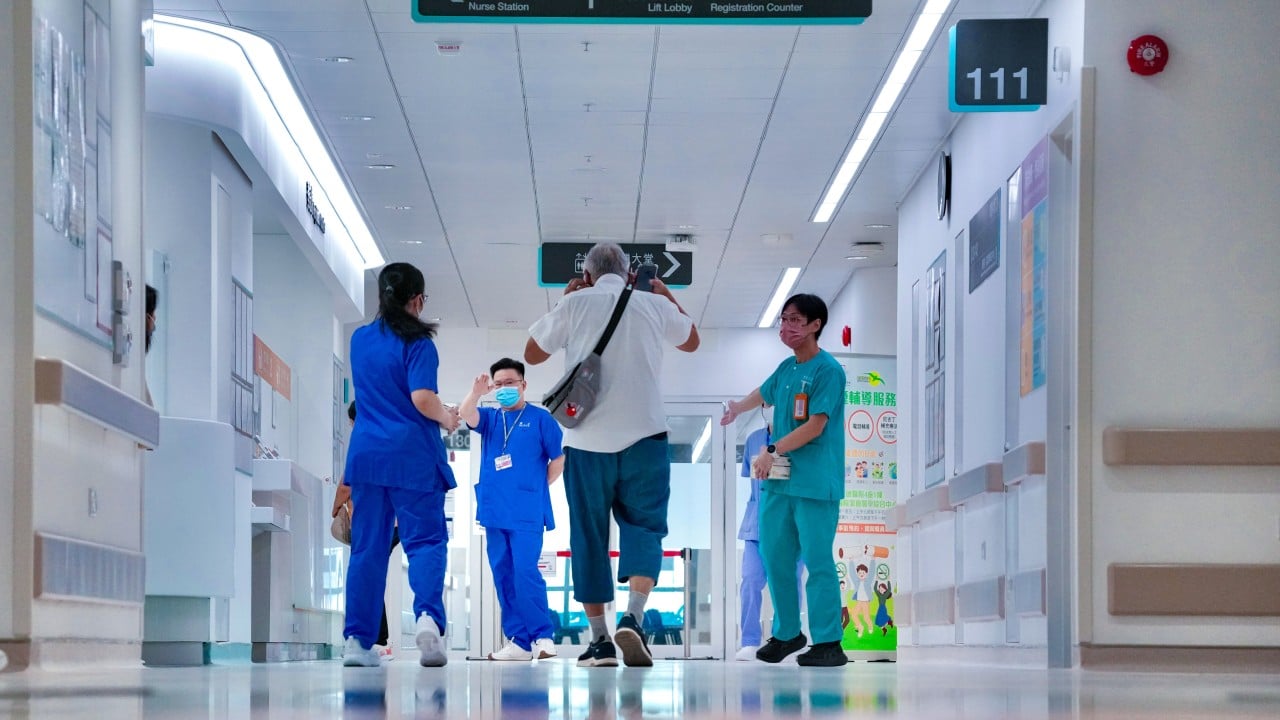
Hospitals are loud, sterile, and exhausting. If you are dealing with advanced cancer, spending your remaining months sitting in an emergency department corridor is the exact opposite of a dignified life. Yet for decades, that has been the default trajectory for patients whose symptoms flare up outside of clinic hours. Panic sets in, a family member dials an ambulance, and another grueling hospital admission begins.
Technology rarely solves healthcare problems cleanly, but a mobile platform developed in Hong Kong offers a compelling blueprint for change. The University of Hong Kong’s SUPPORT+ mobile app changes how patients manage advanced illness at home. Since its launch in 2022, the app has drawn over 76,000 registered users, proving that the right digital tools can bridge the gap between clinical oversight and home comfort.
The Problem with Traditional Oncology Follow-Up
The traditional cancer care model is reactive. You visit your oncologist every few weeks, report how you felt last Tuesday, and hope your memory serves you well. Between appointments, you are on your own.
When new pain or severe fatigue hits on a Sunday night, patients face an impossible choice. Do you suffer in silence, or do you head straight to the emergency room? Most choose the emergency room out of fear. Hospitals become revolving doors for vulnerable patients.
Advanced-stage cancer care requires constant vigilance, not episodic check-ins. Without ongoing tracking, minor side effects compound into emergency crises. The human cost of this cycle is massive, draining both patient resilience and hospital resources.
How Symptom Tracking Changes the Equation
The core mechanics of the SUPPORT+ platform are remarkably straightforward. Patients or their caregivers log weekly symptom data directly into the app. Instead of waiting for a monthly consultation, individuals report pain levels, nausea, breathing difficulties, and emotional distress as they happen.
A dedicated team of specialist nurses monitors these inputs. If a patient’s reported scores spike, the nursing team intervenes proactively. They might adjust medication dosages over the phone, recommend palliative strategies, or coordinate a direct clinic visit that bypasses the emergency department entirely.
Data from the initiative reveals striking results. Out of thousands of enrolled patients, those utilizing app-supported care reported a significantly slower decline in their overall quality of life. More importantly, trials indicate that structured symptom tracking can cut unplanned hospital admissions by more than a third and nearly halve the total time patients spend confined to hospital beds.
Real Care Involves the Family Too
Caring for someone with terminal cancer breaks caregivers down. Family members carry an immense psychological burden, constantly terrified of making the wrong call during a medical crisis.
The application model addresses this blind spot by wrapping support around the caregiver as well. In qualitative feedback from the program, family members frequently note that having direct access to triage nurses provides immense psychological relief. Knowing an expert is reviewing weekly logs stops panic from dictating medical decisions.
One local caregiver, whose mother relied on the system, noted that without the constant reassurance and nurse check-ins, she would have rushed her mother to the emergency department dozens of times. The app provided more than medical guidance; it provided emotional stability, reminding families to look after their own well-being while managing a loved one's decline.
What This Means for the Future of Chronic Disease Care
Digital health initiatives often get bogged down in flashy features and complicated interfaces that elderly populations struggle to navigate. Success depends entirely on clinical integration. An app is useless if the data sits in a digital silo where no one reads it.
The Hong Kong model works because the software acts as a direct pipeline to human expertise. It connects patient data directly to clinical staff who can act immediately.
Healthcare systems worldwide face mounting pressures from aging populations and rising chronic disease rates. Building more brick-and-mortar hospitals is not a sustainable answer. Giving patients the tools to safely monitor their conditions at home, backed by responsive nursing teams, preserves patient dignity and keeps emergency rooms clear for actual emergencies.
Stop treating home management as an afterthought. Give patients direct lines to clinical insight before panic takes over.