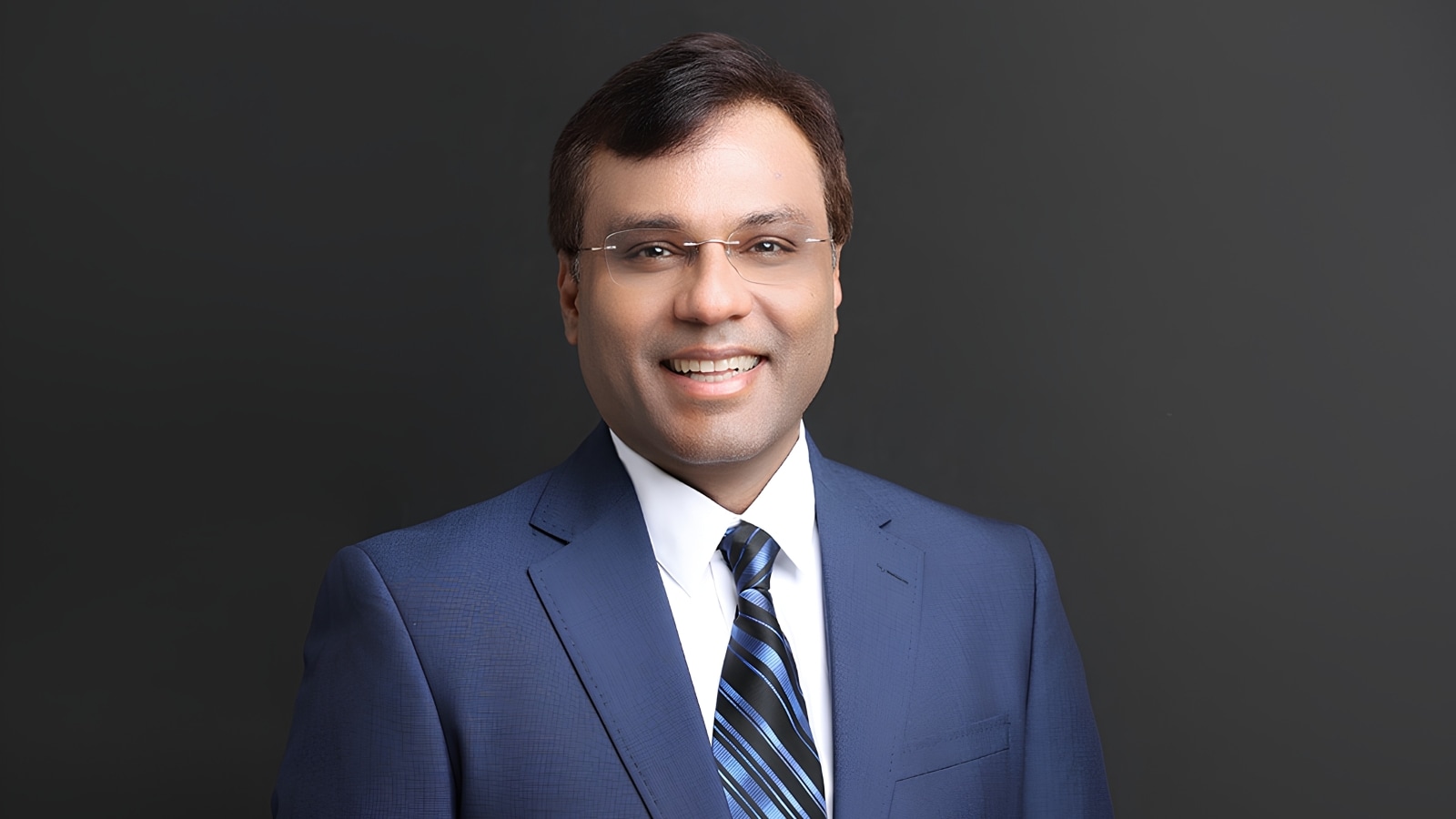
Robotics used to be about mechanical mastery. Today, it is an intelligence race. Boston Dynamics just shook up the entire automation industry by naming former Amazon artificial intelligence chief Rohit Prasad as its new Chief Executive Officer.
If you've followed Boston Dynamics for years, you know they built the world's most agile machines. Their Atlas humanoid can do backflips, parkour, and navigate chaotic construction zones with terrifying grace. Spot the dog can inspect dangerous industrial sites. But building a viral YouTube video and building a mass-market commercial product are two completely different things. That is why Hyundai brought in Prasad, a veteran architect who spent twelve years scaling Alexa from a fledgling voice assistant into a household staple and later steered Amazon's Nova foundation models.
The Shift From Mechanics to Physical AI
For decades, the engineering bottleneck in robotics was hardware. You had to design motors, actuators, and hydraulics that could survive a 10-foot drop or heavy industrial abuse. Boston Dynamics solved that puzzle brilliantly. But their machines lacked a brain sophisticated enough to adapt autonomously to unpredictable human environments on a global scale.
That bottleneck has shifted entirely to software. Enter what the industry calls "Physical AI"—the fusion of advanced neural networks with robotic hardware so machines can reason, learn, and manipulate the physical world without constant human scripting.
Prasad spent nearly two decades tackling massive scaling challenges. Before his dozen years at Amazon, he spent 14 years at Raytheon BBN Technologies leading machine learning research for real-world applications. He didn't just study neural networks in a lab; he built systems used by millions of everyday consumers and massive enterprise networks. Putting him at the helm of Boston Dynamics signals a hard pivot from R&D showcase to aggressive commercialization.
Why Hyundai is Making Its Move Now
Parent company Hyundai Motor Group isn't buying viral acrobatics just for fun. They have concrete, aggressive deployment timelines. Hyundai plans to deploy Atlas humanoid robots inside its upcoming Georgia manufacturing plant starting in 2028, with future capacity aiming for up to 30,000 units annually.
When you scale manufacturing to tens of thousands of humanoid robots, traditional robotic programming breaks down. You cannot hand-code every single movement for every factory scenario. You need foundation models that generalize knowledge instantly. Prasad's background in creating the Amazon Nova model family makes him uniquely qualified to build these spatial reasoning and decision-making brains for industrial humanoids.
The Real Competition Ahead
Boston Dynamics is no longer fighting a lonely battle in the robotics lab. Tesla is pushing its Optimus platform hard into manufacturing floors, while venture-backed startups like Figure and Unitree are moving at lightning speed with deep-pocketed backers.
The differentiator won't be how high a robot can jump. It will be reliability, cost efficiency, and how quickly an AI can learn a brand-new physical task after watching a human do it once.
By pulling in a heavyweight product builder who knows how to ship software to billions of devices, Boston Dynamics has signaled that the era of pure mechanical novelty is over. The commercialization marathon of physical artificial intelligence has officially begun, and the software brains are finally catching up to the physical brawn.